AliExpress Scams to Watch For in 2026 (and How to Avoid Them)
AliExpress Scams to Watch For in 2026 (and How to Avoid Them)
Quick answer: AliExpress is not a scam — it is a legitimate marketplace with buyer protection. But some sellers on the platform run scams. The most common ones are bait-and-switch products, fake tracking numbers, inflated reviews, and fake discount markups. You can avoid most of them by checking seller history, reading photo reviews, verifying price history, and never clicking links sent through seller messages. If you do get scammed, AliExpress buyer protection covers you — but only if you act before the protection window closes.
Searching "is AliExpress a scam" returns millions of results because millions of people have had the same question. The short answer: AliExpress itself is not a scam. It is a marketplace owned by Alibaba Group with buyer protection policies, dispute resolution, and refund systems that genuinely work.
The longer answer: some sellers on AliExpress are scammers. Just like on Amazon, eBay, or any platform with millions of third-party sellers, bad actors exist. The difference between losing money and shopping safely is knowing what the scams look like before you encounter them.
This guide covers the 9 most common AliExpress scams active in 2026, the specific red flags for each one, and exactly how to protect yourself.
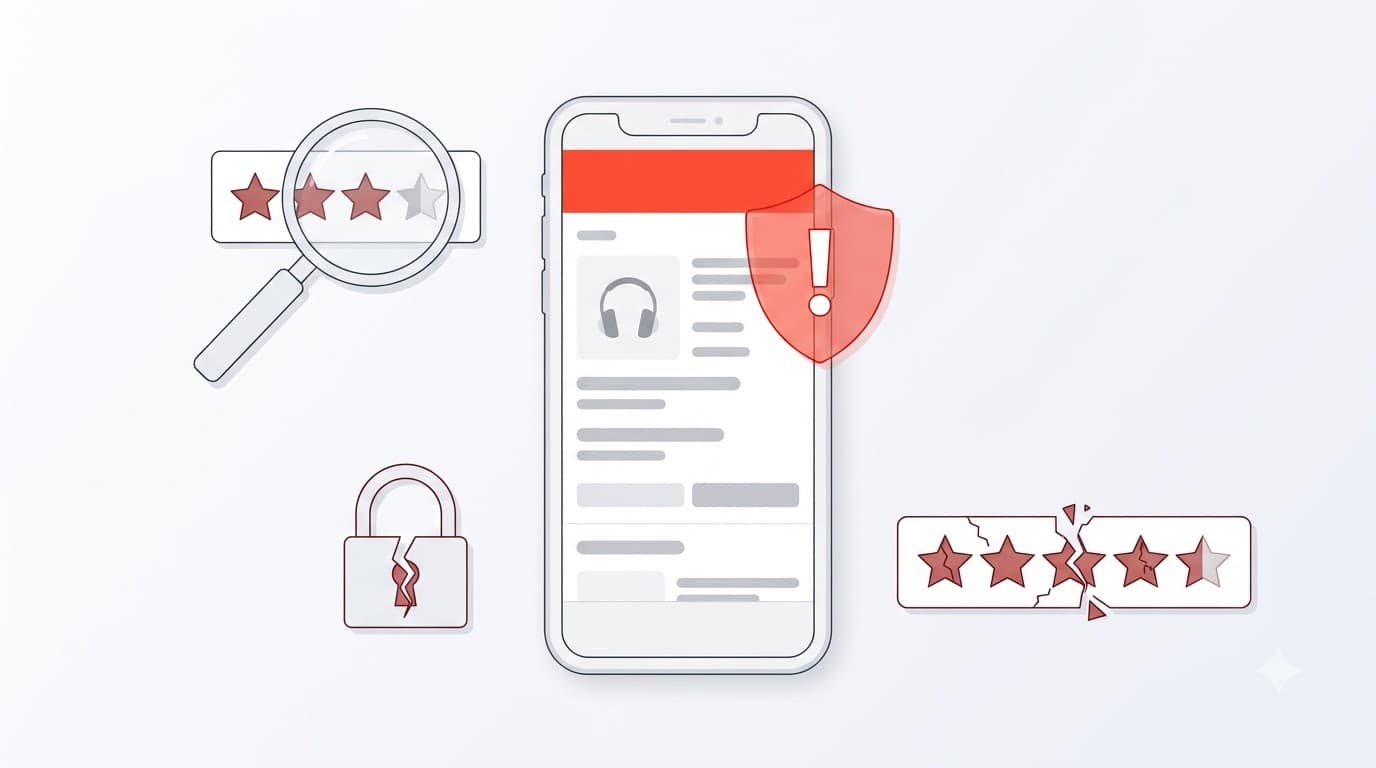
1. Bait-and-switch products
What it looks like
The listing shows a high-quality product — often with professional photos that look too good for the price. You order it, and what arrives is a completely different item or a vastly inferior version of what was pictured. A $15 "leather" wallet arrives as thin vinyl. A "stainless steel" watch arrives as painted plastic.
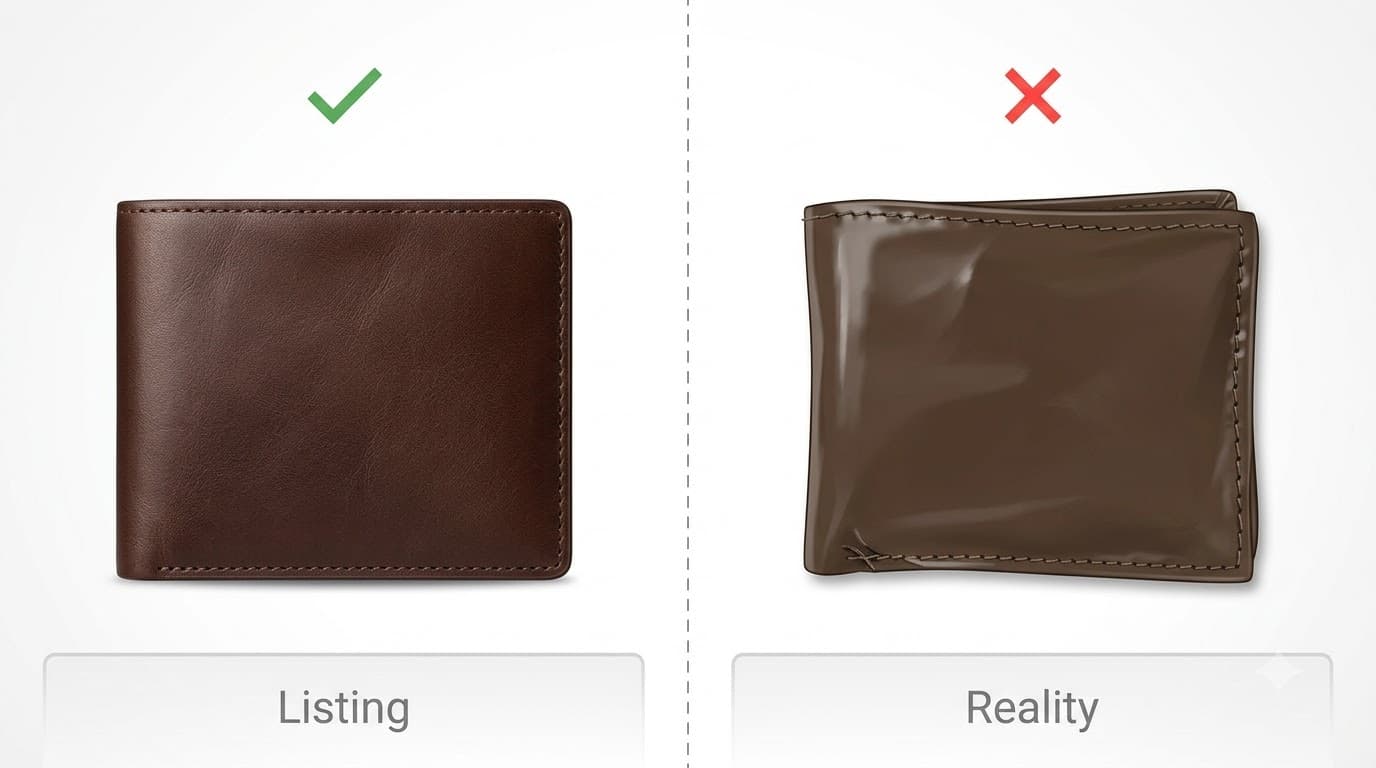
Red flags
- Product photos look professionally shot but the price is far below what that quality would cost
- No photo reviews from buyers — or photo reviews are scarce on a listing with thousands of orders
- Generic stock photos that appear on multiple different listings from different sellers
- Vague material descriptions — "premium quality" and "high-grade" without specifying the actual material
How to avoid it
- Read photo reviews from actual buyers. These show you what really arrives. If a product has thousands of orders but few or no photo reviews, treat that as a warning sign.
- Compare the price to similar products. If one seller offers a product at half the price of every other seller, the product is probably half the quality — or a completely different item.
- Check the seller's feedback on similar products. A seller with repeated "not as described" complaints is a pattern, not an accident.
2. Fake tracking numbers
What it looks like
You place an order, the seller marks it as "shipped" almost immediately, and you receive a tracking number. But the tracking number either never updates, shows delivery to a different address or city, or shows a delivery to your general region that you never received. The seller is betting that tracking data will run out your buyer protection window — once the system shows "delivered," your refund options narrow.
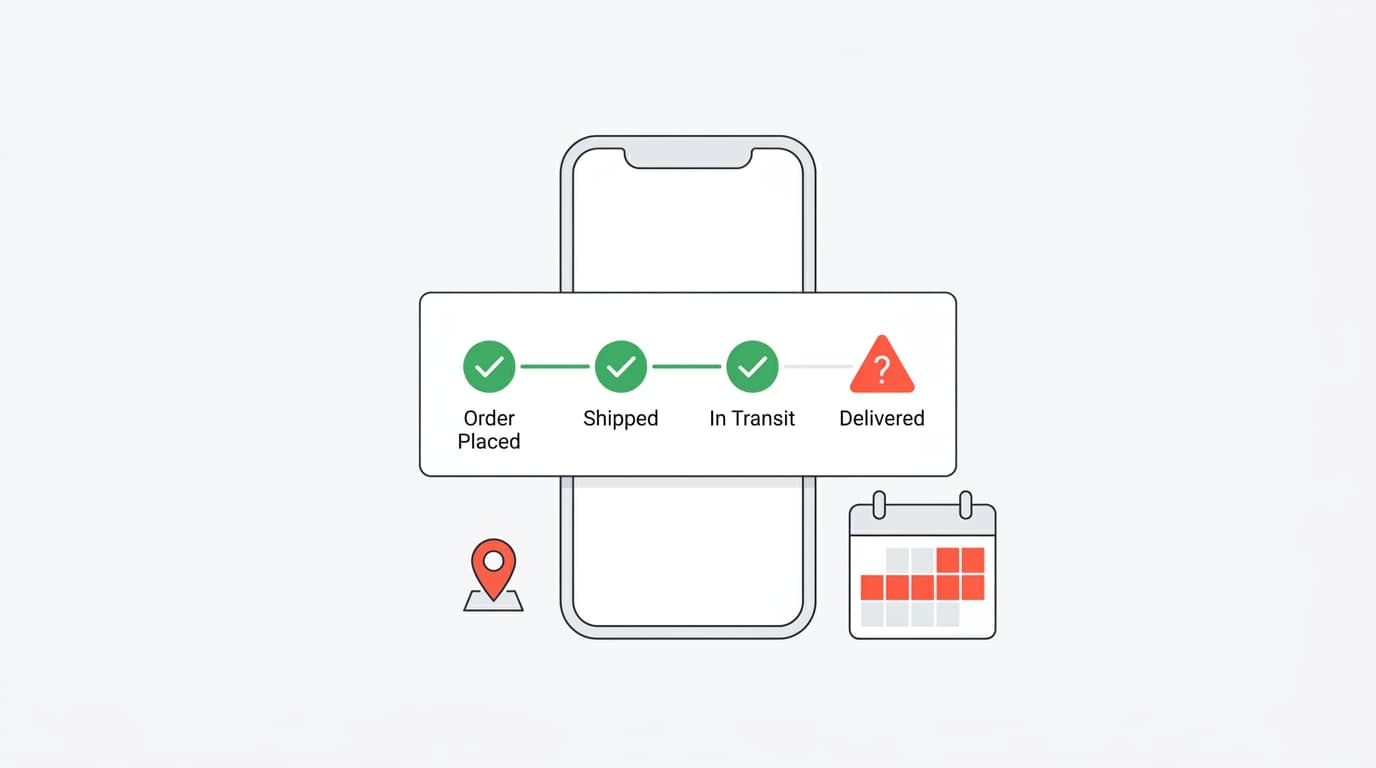
Red flags
- Tracking shows "delivered" but you received nothing — and the delivery location details do not match your address
- Tracking number was provided within hours of ordering but the product has a stated processing time of 3-7 days
- Tracking shows a different shipping carrier than what was stated in the listing
- Tracking shows delivery in your country but to a different city or postal code
How to avoid it
- Monitor your tracking regularly — do not set and forget. If tracking looks suspicious within the first week, contact the seller immediately.
- Extend buyer protection before it expires if your item has not arrived. Do this from the order detail page while the protection timer is still active.
- Open a dispute immediately if tracking shows "delivered" but you did not receive anything. Do not wait — the 15-day post-delivery dispute window is critical.
- Screenshot everything. Tracking pages, delivery status, timestamps. You will need this evidence if you escalate.
3. Inflated and fake reviews
What it looks like
A product has a 4.8-star rating with thousands of five-star reviews, but the reviews are suspiciously generic. "Good product, fast shipping, recommend!" repeated with minor variations across dozens of reviewers. Or the reviews are for a completely different product — the seller changed the listing after accumulating reviews on a previous item.
Red flags
- Reviews mention a different product than what is currently listed — "great phone case!" on a listing for headphones
- Bulk five-star reviews posted within a short time window — 50 reviews in two days on a product from a new seller
- Reviews are very short and generic — no specific details about the product
- Reviewer profiles show a pattern of reviewing only products from the same seller
- Seller offers a coupon or refund for a five-star review — this is explicitly against AliExpress policy, but it happens
How to avoid it
- Read the actual text of reviews, not just the star rating. Look for specific details about the product that match the listing.
- Filter for photo reviews and negative reviews. Photo reviews are harder to fake. Negative reviews (2-3 stars) often contain the most honest product information.
- Check if reviews match the current listing. If reviews mention features or products that do not match what is being sold now, the listing has been swapped.
- Use a review analysis tool. AliShopping Tools flags incentivized reviews and surfaces review quality signals directly on the product page — so you can see at a glance whether the reviews are trustworthy or artificially inflated. For a deeper look at fake review tactics, see our guide to spotting fake AliExpress reviews.
4. Counterfeit goods
What it looks like
A listing offers branded products — Nike shoes, Apple accessories, designer handbags — at a fraction of the retail price. The product photos may even show authentic brand logos. What arrives is a counterfeit: a knockoff that looks vaguely similar but fails on materials, construction, and often safety standards.
Red flags
- Branded products at 80-90% below retail price — genuine branded goods are not sold for $10 on AliExpress
- Brand names are misspelled or obscured in the listing — "N1ke" or logos that are slightly off
- Listing uses the phrase "inspired by" or "style of" — this is code for counterfeit
- Product photos show brand logos but the description avoids mentioning the brand name — an attempt to dodge automated brand-protection filters
How to avoid it
- Accept that genuine branded goods are not sold at 90% discounts. If the price seems impossibly low for a brand-name item, it is a counterfeit.
- Buy brand-name products from authorized retailers, not marketplace sellers. AliExpress is excellent for unbranded goods and generic products — it is not a source for authentic luxury brands.
- Report counterfeit listings. AliExpress actively removes them, but new ones appear constantly. If you receive counterfeit goods, you are entitled to a full refund — AliExpress buyer protection covers this explicitly.
5. Dropshipping store overcharge
What it looks like
This is not technically an AliExpress scam — it happens on other platforms that source from AliExpress. You buy a product from an independent online store (often a Shopify store) for $40-$60, and the item arrives in an AliExpress package with a packing slip showing the seller paid $5-$8 for it. The product itself might be fine, but you massively overpaid.
Red flags
- The store's product photos are identical to AliExpress listings — you can reverse-image-search them
- Shipping times are 2-4 weeks despite the store claiming to be US/EU-based
- The store has no physical address, no real About page, and was created recently
- The product arrives in packaging with Chinese shipping labels from an address you do not recognize
How to avoid it
- Reverse-image-search product photos before buying from unfamiliar stores. If the same photos appear on AliExpress at a fraction of the price, you are looking at a dropshipping markup.
- Check shipping times and origin. If a "US-based" store ships in 2-4 weeks, the product is likely coming from China via AliExpress.
- Buy directly from AliExpress if you are willing to wait for shipping. You will pay the actual price instead of a 5-10x markup.
6. Empty or wrong-weight packages
What it looks like
Your package arrives, but it is either completely empty or contains something worthless — a cheap trinket, a piece of paper, or an item that weighs roughly the same as what you ordered but is not the product. The seller ships something to generate a real tracking number with real delivery confirmation, making it harder for you to claim non-receipt.
Red flags
- The package is much lighter or smaller than expected for the product ordered
- The tracking number shows a realistic delivery timeline but the package contents do not match
- The seller has a pattern of complaints mentioning "empty box" or "wrong item" in recent reviews
How to avoid it
- Record yourself opening packages from sellers you have not bought from before. Video evidence of opening an empty package is the strongest dispute evidence you can provide.
- Check seller reviews specifically for empty package complaints. If even a few buyers mention this, avoid the seller entirely.
- Open a dispute immediately with video evidence showing the package and its contents (or lack thereof).
7. Seller disappears after payment
What it looks like
You place an order, the seller confirms it, and then nothing happens. The seller stops responding to messages, the order is never shipped, and the store page may eventually show "store closed" or simply become unavailable. The seller collected payments from multiple buyers and disappeared.
Red flags
- Brand-new store with no order history and prices that undercut every other seller significantly
- Seller does not respond to pre-purchase questions — if they will not answer before you buy, they certainly will not answer after
- Store has very few products and all were listed recently
- Prices are dramatically lower than competing listings for the same product
How to avoid it
- Check the store's age and order volume. A store that has been active for 2+ years with thousands of orders is far less likely to disappear than a store created last month.
- Never place a large first order with a new seller. If you want to test a seller, start with a small, inexpensive item.
- If the seller does not ship within the stated processing time, cancel the order immediately for a full refund. Do not wait and hope.
- Use seller trust scores. AliShopping Tools shows AI-generated risk assessments for sellers, so you can spot high-risk stores before placing an order.
8. Fake discount markups
What it looks like
A product listing shows a dramatic price cut — "Was $89.99, now $12.99! 86% off!" But the product was never $89.99. The seller inflated the "original price" to make the current price look like an incredible deal. The actual market price for the product is $10-$15 across all sellers.
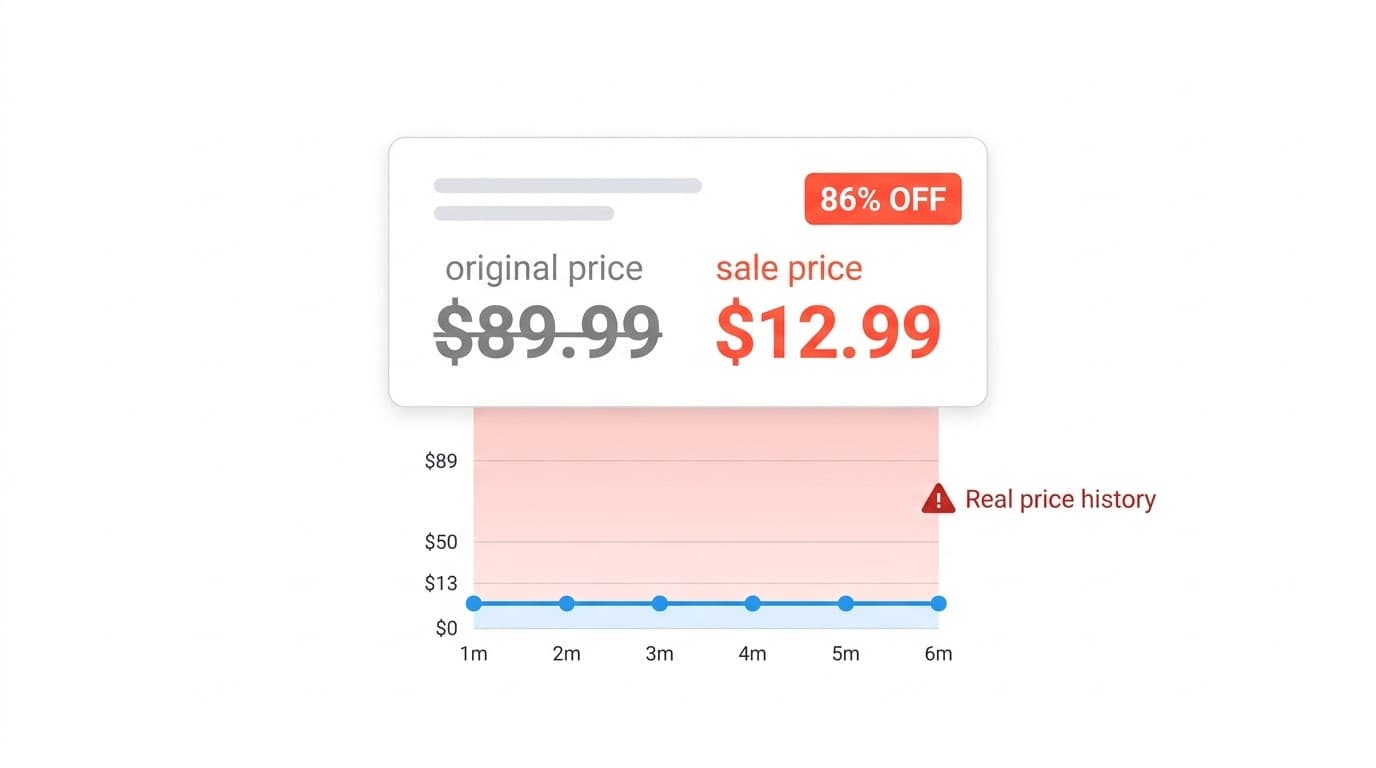
Red flags
- Discounts of 70-90% off — especially outside of major sale events
- The "original price" is far higher than the same product from other sellers
- The product has been "on sale" for months — it is not a sale, it is the regular price with a fake strikethrough
- Sale countdown timers that reset — the "limited time" deal that never actually ends
How to avoid it
- Check the price history. If a product has been $12 for the past six months and suddenly shows "was $90, now $12," the discount is fabricated. AliShopping Tools shows price history charts directly on AliExpress product pages, so you can see the real price trajectory at a glance. For a detailed breakdown of fake discount tactics, see our guide to spotting fake AliExpress discounts.
- Compare prices across multiple sellers for the same or similar product. The real market price becomes obvious quickly.
- Ignore urgency tactics. Countdown timers, "only 3 left in stock," and "X people are viewing this" are pressure tactics, not facts.
9. Phishing links in seller messages
What it looks like
After you place an order or ask a question, the seller sends you a message containing a link — to "track your order," "confirm your address," "claim a discount," or "resolve a shipping issue." The link leads to a page that looks like AliExpress but is not. It asks for your login credentials, payment information, or personal details.
Red flags
- Any link in a seller message that does not go to aliexpress.com — hover over it before clicking
- Requests to continue the conversation off-platform — "message me on WhatsApp/Telegram for faster support"
- Requests for payment outside AliExpress — "send payment via PayPal/Western Union for a discount"
- Messages with urgent language — "your order will be canceled unless you click this link now"
How to avoid it
- Never click links in seller messages. If you need to track an order, go directly to AliExpress through your browser and check "My Orders."
- Never pay outside the AliExpress platform. AliExpress buyer protection only covers transactions made through the platform. If a seller asks you to pay via PayPal, bank transfer, or any other method, refuse.
- Never share your AliExpress login credentials with anyone, including sellers.
- Report sellers who send phishing links through the AliExpress reporting system. This protects other buyers.
How AliExpress buyer protection helps (and its limits)
AliExpress buyer protection is genuine and covers most of the scams described above. Here is what it does and does not do:
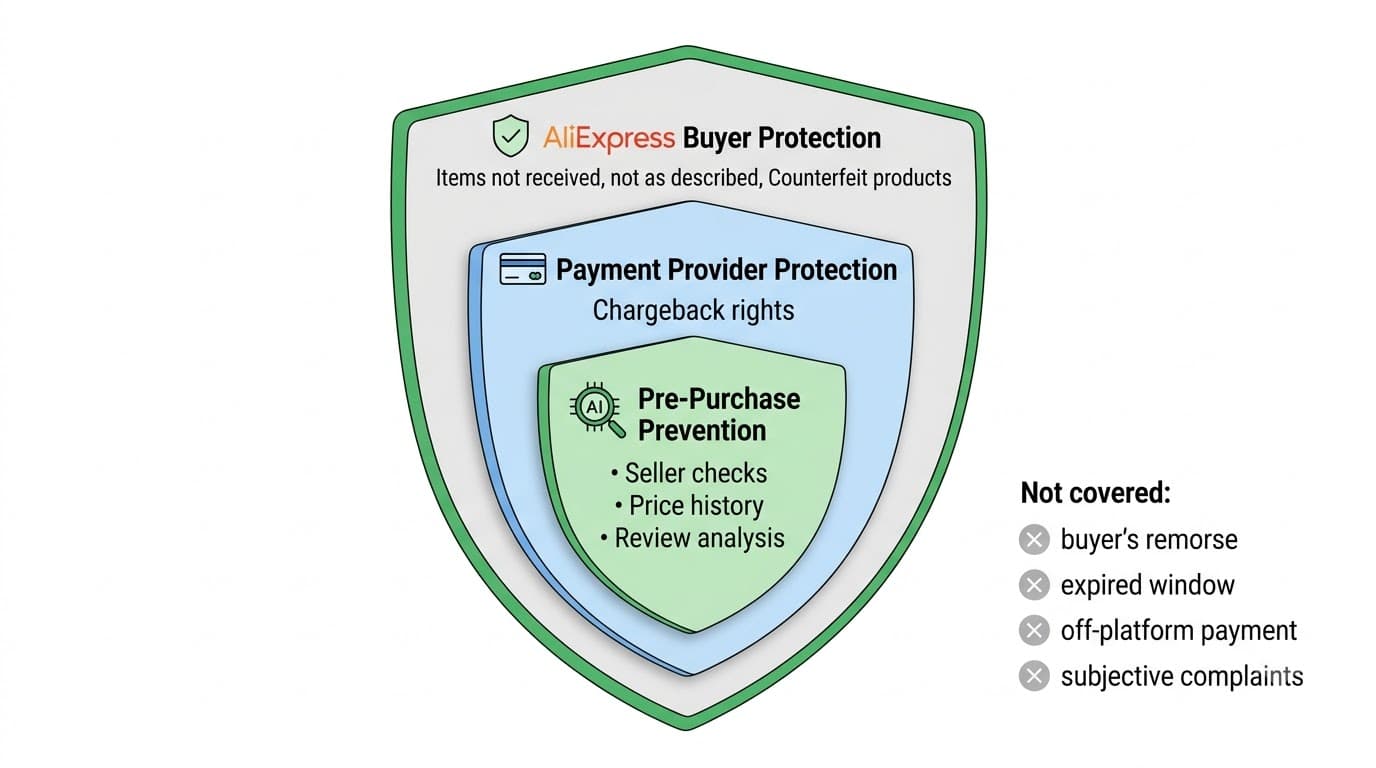
What buyer protection covers
- Item not received — full refund if the item never arrives and you file a dispute within the protection window
- Item not as described — full or partial refund depending on the severity of the discrepancy
- Counterfeit goods — full refund, often without requiring you to return the item
- Seller does not ship — full refund if the seller fails to ship within the processing window
What buyer protection does not cover
- Buyer's remorse — you changed your mind, the item is exactly as described, but you no longer want it. Some sellers accept returns in these cases, but it is not guaranteed
- Expired protection window — if you let buyer protection expire without filing a dispute, your options become very limited
- Transactions outside the platform — if you paid the seller via PayPal, bank transfer, or any method outside AliExpress, buyer protection does not apply
- Subjective quality complaints — "I thought it would be better quality" without specific evidence that the item differs from the listing
Making buyer protection work for you
- Watch the protection timer. Every order has one. If your item has not arrived and the timer is running low, extend it.
- Document everything. Photos, screenshots, video. Evidence wins disputes.
- Open disputes promptly. Do not wait weeks after a problem. The sooner you file, the stronger your position.
- Never cancel a dispute unless the refund is already in your account.
- Escalate when needed. If the seller does not respond or offers an unfair resolution, escalate to AliExpress mediation.
For a full walkthrough of the refund process, see our AliExpress refund guide. If you need to escalate to a formal dispute, our dispute guide covers the step-by-step process.
A red flags checklist before any purchase
Before you buy from any AliExpress seller, run through this quick checklist:
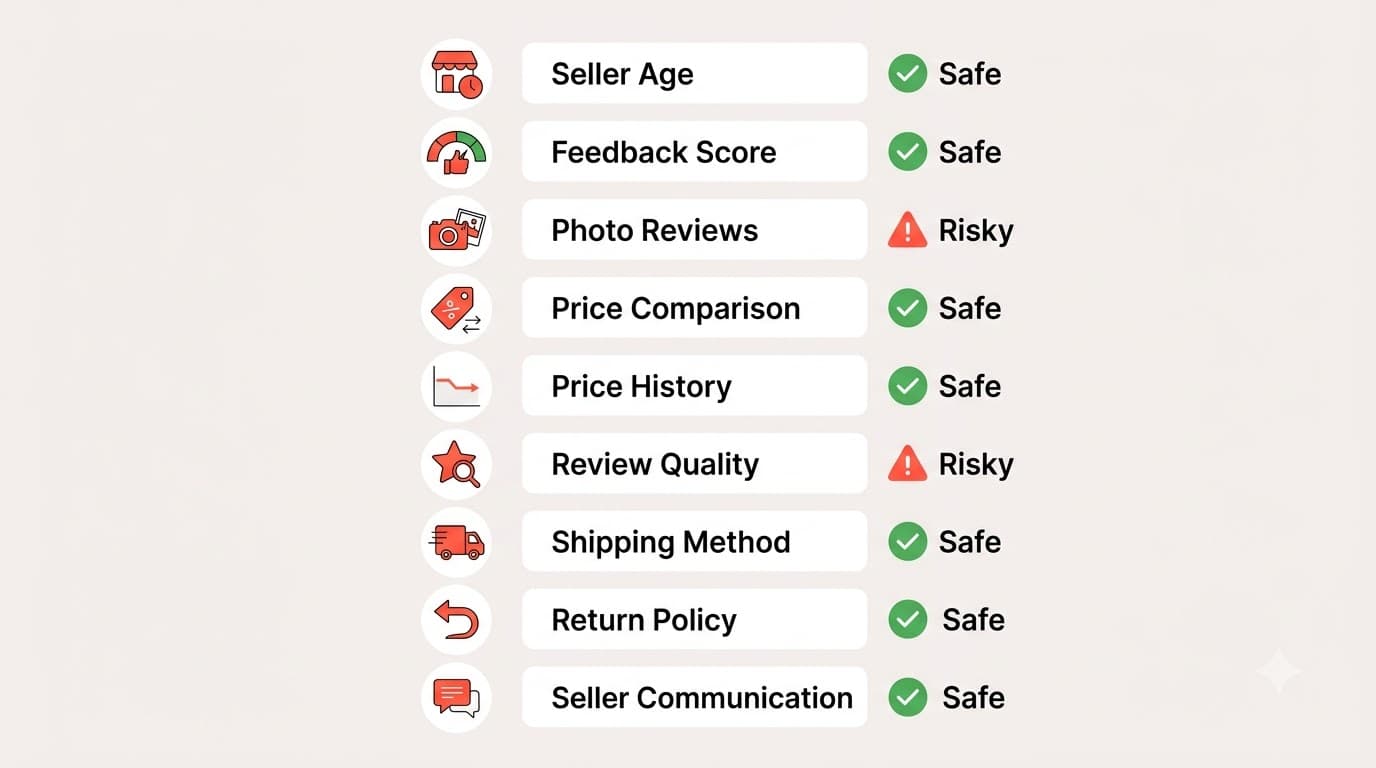
- Seller age: Is the store less than 6 months old with few orders? Higher risk.
- Feedback score: Below 95% positive feedback? Check what buyers are complaining about.
- Photo reviews: Do buyer photos match the listing photos? If no buyer photos exist, be cautious.
- Price comparison: Is this seller significantly cheaper than others for the same product? Ask why.
- Price history: Has the product always been this price, or was it "marked up then discounted"?
- Review quality: Are reviews specific and detailed, or generic one-liners?
- Shipping method: Is a reputable shipping carrier listed, or is it untracked?
- Return policy: Does the seller accept returns? What are the conditions?
- Seller communication: Did the seller respond to your pre-purchase questions? Non-responsive sellers are a red flag.
AliShopping Tools automates several of these checks — AI Verdict spots risky sellers, price history exposes fake discounts, and the review checker flags incentivized reviews — so you can see the risk signals without doing each check manually. For a broader look at whether AliExpress is safe to use, see our Is AliExpress legit? breakdown.
FAQ
Is AliExpress a scam?
No. AliExpress is a legitimate marketplace owned by Alibaba Group, one of the largest e-commerce companies in the world. It has buyer protection policies, a dispute resolution system, and processes refunds for orders that go wrong. However, like any large marketplace with millions of third-party sellers, some individual sellers on the platform engage in scams. The platform itself is not a scam — but you need to evaluate sellers individually.
How common are scams on AliExpress?
Most AliExpress transactions complete without issues. The platform processes millions of orders daily, and the vast majority of sellers are legitimate businesses. Scams exist, as they do on any marketplace, but they are the exception rather than the rule. The scams that do occur tend to cluster around certain patterns — very new stores, prices that are too good to be true, and products with artificially inflated reviews.
What should I do if I get scammed on AliExpress?
Open a dispute through "My Orders" as soon as you identify the problem. Provide all evidence you have — photos, videos, screenshots, tracking information. If the seller does not resolve it within 5 days, escalate to AliExpress mediation. The platform's dispute system genuinely works, but you must act within the buyer protection window. See our refund guide for the complete step-by-step process.
Can I get my money back if I get scammed?
Yes, in most cases. AliExpress buyer protection covers items not received, items not as described, and counterfeit goods. If you file a dispute within the protection window and provide evidence, you will typically receive a full or partial refund. If AliExpress rules against you and you paid by credit card, you can file a chargeback with your card issuer as a last resort.
How do I check if an AliExpress seller is legit?
Look at the store's age (how long it has been active), the number of completed orders, the overall feedback score, and recent reviews. A store that has been operating for several years with thousands of orders and a feedback score above 95% is generally trustworthy. New stores with few orders and no history are higher risk. Reading negative reviews is particularly useful — they reveal the seller's actual problem patterns.
Are AliExpress reviews trustworthy?
Some are, some are not. Genuine buyer reviews with photos are generally reliable. However, some sellers incentivize positive reviews by offering coupons or partial refunds in exchange for five-star ratings. Look for reviews that include specific details and photos of the actual product received. Be skeptical of listings with thousands of generic five-star reviews and very few critical ones. For a deeper analysis, see our fake reviews guide.
Is it safe to use my credit card on AliExpress?
AliExpress uses standard payment encryption and does not share your full card details with sellers. Paying by credit card is actually one of the safer options because it gives you an additional layer of protection — if AliExpress buyer protection fails, you can file a chargeback with your card issuer. Avoid debit cards when possible, as chargeback protections are weaker. Never enter your payment details on any page that a seller links you to — always pay through the official AliExpress checkout. For a full comparison of every payment option, see our AliExpress payment methods guide.
The bottom line
AliExpress is not a scam, but scams exist on AliExpress. The difference between getting scammed and shopping safely comes down to pre-purchase research. Check the seller, read photo reviews, verify the price history, and never trust a deal that looks too good to be true — because it probably is.
The buyer protection system works. If something goes wrong, document it immediately, file a dispute within the protection window, and escalate if the seller does not cooperate. Most scams on AliExpress are avoidable, and most that do occur are recoverable through the dispute process.
Install AliShopping Tools — AI-powered seller risk scores, price history, and review analysis before you buy -> — free, no account required.
Related Buyer Guides
- How to Get a Refund on AliExpress — step-by-step refund process if you get scammed
- How to Open a Dispute and Win — evidence tips, timelines, and mediation process
- Is AliExpress Legit? — platform safety and how to vet sellers
- How to Spot Fake Reviews — 7 red flags that expose manipulated ratings
- Which Payment Method Is Safest? — protection layers and chargeback rights compared
Disclosure: This article is published by the AliShopping Tools team. The information reflects AliExpress policies and common scam patterns as of July 2026. Scam tactics evolve — stay vigilant and check AliExpress's official help center for the latest buyer protection terms. If you notice anything out of date, let us know at our contact page.
Ready to find winning products?
Try AliShopping Tools — 15 free AI tools for product research.
Quick answers
Frequently Asked Questions
1Is AliExpress a scam?
No.
AliExpress is a legitimate marketplace owned by Alibaba Group, one of the largest e-commerce companies in the world.
It has buyer protection policies, a dispute resolution system, and processes refunds for orders that go wrong.
However, like any large marketplace with millions of third-party sellers, some individual sellers on the platform engage in scams.
The platform itself is not a scam — but you need to evaluate sellers individually.
2How common are scams on AliExpress?
Most AliExpress transactions complete without issues.
The platform processes millions of orders daily, and the vast majority of sellers are legitimate businesses.
Scams exist, as they do on any marketplace, but they are the exception rather than the rule.
The scams that do occur tend to cluster around certain patterns — very new stores, prices that are too good to be true, and products with artificially inflated reviews.
3What should I do if I get scammed on AliExpress?
Open a dispute through 'My Orders' as soon as you identify the problem.
Provide all evidence you have — photos, videos, screenshots, tracking information.
If the seller does not resolve it within 5 days, escalate to AliExpress mediation.
The platform's dispute system genuinely works, but you must act within the buyer protection window.
4Can I get my money back if I get scammed?
Yes, in most cases.
AliExpress buyer protection covers items not received, items not as described, and counterfeit goods.
If you file a dispute within the protection window and provide evidence, you will typically receive a full or partial refund.
If AliExpress rules against you and you paid by credit card, you can file a chargeback with your card issuer as a last resort.
5How do I check if an AliExpress seller is legit?
Look at the store's age (how long it has been active), the number of completed orders, the overall feedback score, and recent reviews.
A store that has been operating for several years with thousands of orders and a feedback score above 95% is generally trustworthy.
New stores with few orders and no history are higher risk.
Reading negative reviews is particularly useful — they reveal the seller's actual problem patterns.
6Are AliExpress reviews trustworthy?
Some are, some are not.
Genuine buyer reviews with photos are generally reliable.
However, some sellers incentivize positive reviews by offering coupons or partial refunds in exchange for five-star ratings.
Look for reviews that include specific details and photos of the actual product received.
Be skeptical of listings with thousands of generic five-star reviews and very few critical ones.
7Is it safe to use my credit card on AliExpress?
AliExpress uses standard payment encryption and does not share your full card details with sellers.
Paying by credit card is actually one of the safer options because it gives you an additional layer of protection — if AliExpress buyer protection fails, you can file a chargeback with your card issuer.
Avoid debit cards when possible, as chargeback protections are weaker.
Never enter your payment details on any page that a seller links you to — always pay through the official AliExpress checkout.
More from the blog
AliExpress Payment Methods 2026: Which Is Safest?
Compare every AliExpress payment method — credit card, PayPal, Alipay, Google Pay, Apple Pay, Klarna, and bank transfer. See which is safest, fastest to refund, and best for your region.
AliExpress Coupon Finder: How to Find and Use Real Promo Codes (2026)
AliExpress has real coupons — store coupons, select coupons, platform codes, and new-user deals. Here's where to find them, how to stack them, and how to tell if a 'discount' is actually a price increase in disguise.
AliExpress Fake Review Checker: Free Tools & Methods (2026)
No tool reliably detects fake AliExpress reviews for you. But you can spot them yourself using five pattern checks and free data tools like review breakdown charts. Here's the full method.