


AliExpress vs Temu for Buyers 2026: Honest Comparison
Quick answer: Temu is often cheaper on basic everyday items and has simpler returns. AliExpress has far more variety, lets you choose verified sellers, and gives you more control — especially when paired with tools that show price history and seller trust signals. If you want the lowest price on a common item, Temu wins. If you're hunting something specific or want to vet what you're buying, AliExpress wins.
AliExpress vs Temu at a Glance
| Feature | AliExpress | Temu |
|---|---|---|
| Price range | Competitive; varies by seller | Often the cheapest on common items |
| Shipping to US | 7–30 days (Choice: 7–15 days) | 7–15 days (US warehouse stock) |
| Shipping globally | 150+ countries, wide carrier network | Expanding; strongest in US/EU/AU |
| Return policy | 15-day dispute after delivery; escrow | 90-day returns, free return shipping |
| Buyer protection | AliExpress escrow — held until confirmed | Temu Refund Guarantee |
| Seller model | Open marketplace — thousands of sellers | Curated — Temu selects/manages suppliers |
| Product range | 100M+ listings, deep niche coverage | Millions of SKUs, trend-driven catalog |
| Seller visibility | Full seller profiles, ratings, reviews | No individual seller exposure |
| Price history | Available via AliShopping Tools | Not available |
| App experience | Functional; Choice filter improves UX | Highly gamified, dopamine-optimized |
| Official stores | Yes — brand-verified storefronts | No equivalent |
Pricing: Who Is Actually Cheaper?
This is the question everyone asks, and the honest answer is: it depends on the product category.
Where Temu typically wins on price:
Temu has built a reputation for rock-bottom prices on impulse categories — phone accessories, home décor, fashion basics, party supplies, stationery, and seasonal items. For a $3 phone stand or a $7 set of kitchen tools, Temu's pricing is often hard to beat.
Part of this is structural. Temu operates a managed marketplace where it negotiates directly with manufacturers, consolidates logistics, and absorbs some margin to acquire users. The result is a curated selection of items where Temu controls the price floor.
Where AliExpress wins or matches:
For niche, technical, or specialized products — electronics components, hobby supplies, specific spare parts, sports gear in non-mainstream sizes, materials for makers — AliExpress almost always has more options at competitive prices. You can often find the same factory-origin item at a lower per-unit price, especially when ordering more than one.
AliExpress also has a wide range of sellers for the same product. This competition keeps prices honest. You can sort by orders, compare seller ratings, and find the price-to-quality point that suits you.
The price history problem:
One thing buyers often miss: Temu prices are dynamic and not historically trackable. A product listed at $4.99 may have been $8.99 a week ago, or may be artificially marked down from an inflated "original price." Without a price history chart, you're buying at whatever price they set that day.
On AliExpress, the AliShopping Tools extension shows you a price history chart on every product page. You can see whether the current price is actually a deal or just normal pricing with a discount badge slapped on it.
Bottom line on price: Temu wins on impulse and common items. AliExpress wins on variety, niche products, and any situation where you want to compare multiple sellers against each other.
Shipping Speed and Reliability
Shipping is where the two platforms have converged the most since 2024 — but important differences remain.
Temu shipping:
Temu has invested heavily in US (and increasingly EU) warehousing. For customers in the United States, most items now ship from local stock and arrive in 7–15 days. Some items ship from China and take longer. The app shows estimated delivery dates at checkout, which is helpful.
Tracking works through Temu's own system and is generally reliable for US orders. Return pickups are also managed directly by Temu.
For buyers outside the US, Temu's infrastructure is still expanding. EU buyers generally have reasonable shipping times (10–20 days). In markets like Southeast Asia, South America, or the Middle East, Temu's warehouse footprint is thinner and delivery times are less predictable.
AliExpress shipping:
AliExpress shipping has improved dramatically with the rollout of AliExpress Choice. Choice-tagged products ship from AliExpress-managed warehouses (including overseas fulfillment centers) and typically arrive in 7–15 days with tracking included.
Standard seller-shipped orders are slower — expect 15–30 days depending on destination and carrier. AliExpress operates across 150+ countries through partnerships with local postal carriers and private couriers.
For buyers in Europe, AliExpress often has an edge because its European warehouse coverage is more mature. For buyers in Asia and Southeast Asia, AliExpress logistics are generally well-developed.
Reliability:
Both platforms have improved significantly on tracking and dispute resolution for lost packages. Temu handles lost packages through its Refund Guarantee with minimal friction. AliExpress handles them through its dispute system — slightly more process, but the escrow model means you're protected if you open a dispute within the window.
Practical guidance:
- US buyer, common item, want it in 10 days: Temu is likely faster and simpler.
- International buyer, specific item: filter AliExpress by Choice for best shipping speed.
- Buyer anywhere who needs a specific product that Temu doesn't carry: AliExpress is your only real option.
Buyer Protection and Returns
Both platforms offer meaningful buyer protection, but through different mechanisms.
Temu's approach — 90-day returns:
Temu offers one of the most buyer-friendly return policies in e-commerce for a marketplace at this price point. Most items are eligible for returns within 90 days, and Temu provides a free return shipping label for the first return per order. Refunds are typically processed within a few business days.
The process is simple: open the app, go to your order, tap "Return/Refund," select items, and you get a QR code for drop-off. No seller negotiation required.
The trade-off is that Temu's protection is entirely platform-level. You can't contact the manufacturer or original supplier. If you have a specific complaint about a product (wrong color, missing component), you work with Temu's customer service — not with someone who actually made the product.
AliExpress's approach — escrow + dispute system:
AliExpress holds your payment in escrow until you confirm delivery or the buyer protection period expires. If something goes wrong, you open a dispute within 15 days of delivery (or before the automatic confirmation deadline).
AliExpress mediates between you and the seller. For clear cases (item not as described, item not received), resolutions typically favor the buyer. For gray areas, there can be back-and-forth.
Compare prices with real data.
180-day price history on every AliExpress product — see if AliExpress or Temu is actually cheaper. No account, free.
The advantage of this model is that you're dealing with the actual seller. For products that need technical support or have specific manufacturing defects, being able to escalate to someone who made the product sometimes gets you better outcomes — like replacement parts instead of a full return.
AliExpress also has an extended buyer protection guide worth reading if you're planning a larger purchase.
Which protection model is better?
For low-cost impulse purchases where you just want your money back if something's wrong: Temu is simpler and faster.
For mid-to-high value purchases, items that need verification before approval, or products where you'd want seller-level resolution: AliExpress's dispute system gives you more levers to pull.
Product Quality and Seller Verification
This is the category where the platforms are most structurally different.
Temu's model — curated, consistent-ish baseline:
Temu selects and onboards suppliers directly. You never see individual seller profiles, seller ratings, or seller history. Temu presents a unified storefront.
The upside: Temu can enforce a baseline quality threshold and hold suppliers accountable internally. Products in the same category tend to have similar quality floors — less variance than AliExpress.
The downside: zero transparency. You can't tell whether a $6 item is from a factory that's been supplying quality goods for 10 years or a batch run by a new entrant. You rely entirely on Temu's curation and buyer reviews.
AliExpress's model — open marketplace, full seller transparency:
AliExpress exposes full seller profiles: feedback score, number of orders, response rate, years active, and buyer reviews with photos. You can tell a lot about a seller before you buy.
Official Stores on AliExpress are brand-verified storefronts — either the manufacturer directly or an authorized distributor. This is meaningful. If you're buying from a recognized brand's official store, you're getting what you paid for.
Photo reviews are particularly valuable. Buyers who upload photos of received items give you a much more honest view of quality than the product listing photos. If 200 buyers have posted photos of a product and they look consistently good, that's a real signal.
The downside of AliExpress's open model: quality varies more. A product with 10,000 orders and 4.8 stars from a seller active for 5 years is very different from a new listing with no reviews. You need to do more filtering.
Where to look for quality signals on AliExpress:
- Seller feedback score: 97%+ is the floor for reasonable purchases
- Order count on the specific item: 500+ is a useful minimum
- Photo reviews: always scroll to buyer-uploaded photos
- Official Store badge: highest confidence tier
- Winning Score via AliShopping Tools: aggregates these signals into one number
When to Use AliExpress vs When to Use Temu
Here's a practical decision framework rather than a blanket recommendation.
Use Temu when:
- You're buying common, trend-driven items where price is the only variable (phone cases, basic home accessories, fashion basics, seasonal décor)
- You want the simplest possible shopping experience with minimal decision fatigue
- You're in the US and want the fastest delivery without filtering
- You're buying low-cost items where a simple refund is all you'd ever need if something goes wrong
- You don't have a specific requirement — you're open to "whatever's cheapest in this category"
Use AliExpress when:
- You have a specific product in mind — particular specs, dimensions, materials, or a brand
- You want to compare multiple sellers for the same item
- You're buying electronics, tools, components, or anything where quality variance matters and you want to vet it
- You want to buy from a verified Official Store (brand guarantee)
- You're buying in bulk or placing a larger order where price history matters
- You're outside the US/EU where Temu's warehouse coverage is thinner
- You want access to the long tail — niche hobby supplies, unusual materials, specific spare parts
Neither platform is right for:
- High-value electronics where brand warranty matters (buy from authorized retailers instead)
- Goods where authenticity is essential and can't be verified
- Time-sensitive orders where you need guaranteed 2–3 day delivery
How AliShopping Tools Helps on AliExpress
One practical advantage AliExpress has over Temu is that its open data model makes third-party tools possible. Temu's walled garden doesn't allow this.
AliShopping Tools is a free Chrome extension that adds an information layer on top of every AliExpress product page:
Winning Score — a composite signal (0–100) that aggregates seller feedback, order count, review quality, and listing completeness. It gives you a fast read on whether a listing is trustworthy before you scroll through hundreds of reviews. Learn how Winning Score works.
Price history chart — shows you the actual price over the past months. If a product is "50% off" but has been at that price for three months, the discount is meaningless. Price history is the fastest way to spot inflated "original" prices.
Risk tab — flags potential issues with a listing: new seller, inconsistent reviews, sudden price drop, or other signals that suggest you should look more carefully before buying.
Together, these tools give AliExpress buyers an information edge that doesn't exist on Temu. You're making decisions based on data, not just platform curation.
This matters most for mid-to-higher value purchases — anything over $15–20 where getting it wrong costs you more than a quick Temu refund.
The Verdict
Neither AliExpress nor Temu is universally better for buyers in 2026. They serve different shopping behaviors.
Temu's strengths are real: lower prices on common items, simpler UX, faster US shipping, and frictionless returns. For a buyer who wants cheap everyday items with minimal decision-making, Temu delivers.
AliExpress's strengths are also real: vastly more variety, full seller transparency, verified official stores, and the ability to vet purchases using price history and seller signals. For a buyer who wants a specific product and wants to know what they're actually getting, AliExpress is the better tool — especially with the right browser extension.
The pattern that tends to work well: use Temu for impulse and common items where you're not attached to specs. Use AliExpress for anything specific, higher-value, or where you'd want to compare sellers. And on AliExpress, use the tools available to you.
FAQ
Is AliExpress or Temu cheaper in 2026?
Temu is often cheaper on common, trend-driven items — phone accessories, basic home goods, fashion staples. AliExpress is more competitive on niche products, specialty items, and bulk orders where you can compare multiple sellers. There's no universal winner; it depends on the product category.
Which has faster shipping — AliExpress or Temu?
For US buyers, Temu's local warehouse shipping often arrives in 7–15 days, which is comparable to AliExpress Choice shipping. For buyers outside the US, AliExpress has broader global infrastructure and often wins on delivery speed in Europe and Asia.
Is AliExpress safe to buy from?
AliExpress is safe when you use the available signals: buy from sellers with high feedback scores (97%+), look for Official Store badges, read photo reviews, and use tools like AliShopping Tools to check price history. AliExpress's escrow system also protects your payment until you confirm the order. See our full AliExpress safety guide.
Which has better buyer protection — AliExpress or Temu?
Both offer meaningful buyer protection but through different models. Temu's 90-day free return policy is simpler and more generous on paper. AliExpress's escrow + dispute system gives you more options when something is wrong with a specific product, especially for larger purchases.
Does Temu sell fake products?
Temu's curated model means less variance, but counterfeit or low-quality items still appear. Since sellers aren't visible, you can't vet individual suppliers. For brand-name items, always buy from the brand's own official store on AliExpress or from authorized retailers — not from either Temu or unknown AliExpress sellers.
Can I find the same products on both platforms?
Often yes for common categories. For niche, technical, or specialized products, AliExpress almost always has more selection. Temu's catalog is intentionally curated toward high-velocity items.
Is there a price history tool for Temu?
No. Temu does not expose pricing data that would allow price history tracking. On AliExpress, AliShopping Tools provides price history charts directly on product pages, which helps you evaluate whether a "sale" is genuine.
Which platform is better for international buyers?
AliExpress has a longer track record and broader global logistics infrastructure, making it more reliable in markets outside North America and Western Europe. Temu is improving internationally but its strongest market is still the US.
Should I use AliExpress or Temu for trending products?
Both platforms carry viral products quickly. Temu often prices them aggressively. AliExpress usually has more seller options for the same trending item. Check our TikTok viral products guide for current comparisons.
_Want to shop smarter on AliExpress? Install AliShopping Tools for AliExpress — free Chrome extension that shows Winning Score, price history, and risk signals on every AliExpress product page.
AliShopping Tools
Compare prices with real data.
180-day price history on every AliExpress product — see if AliExpress or Temu is actually cheaper. No account, free.
Product Tracker Free Beta
Track any AliExpress product’s real price, orders, stock & rating for 180 days. Data doesn’t lie. But discounts can.
Trending Products on AliExpress
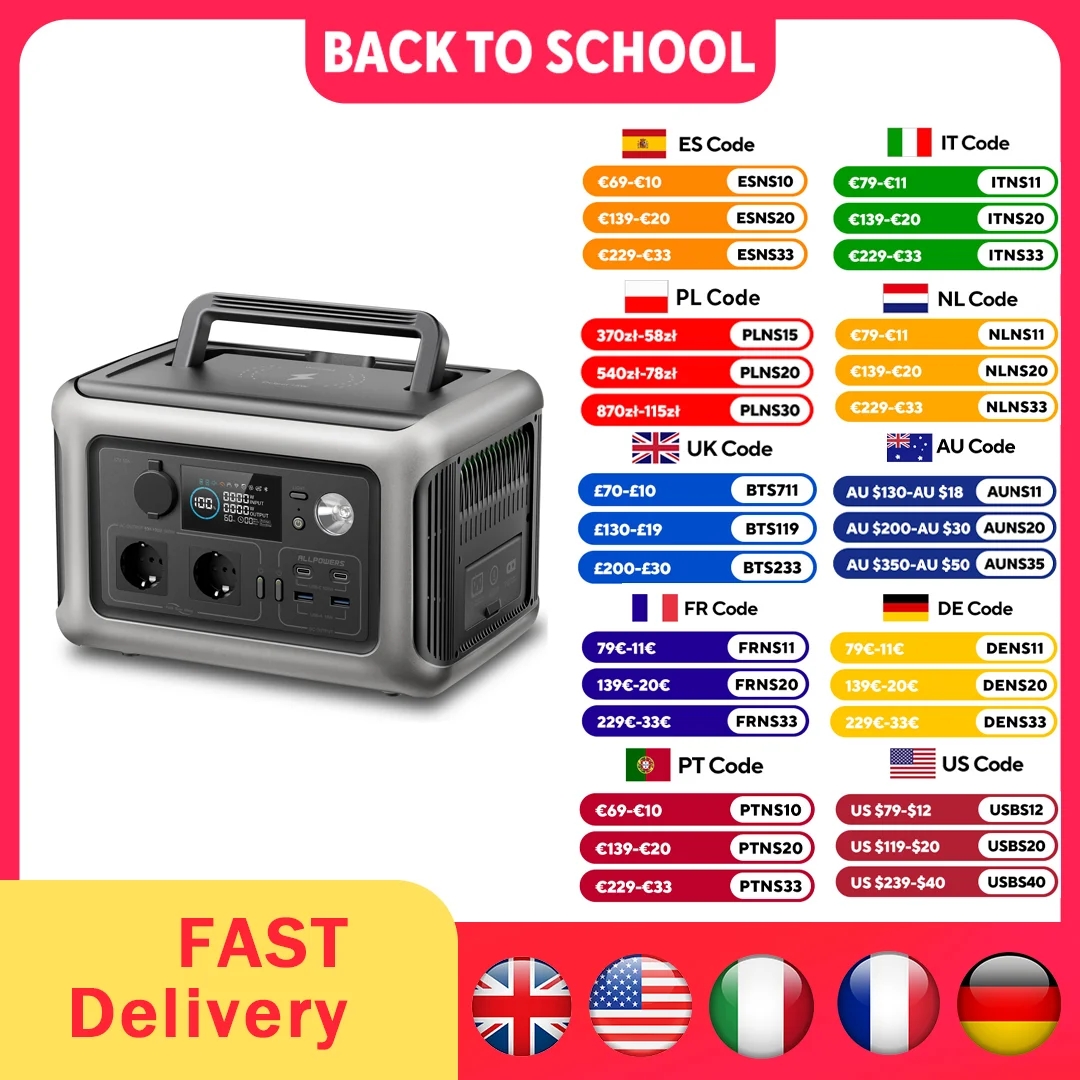
ALLPOWERS Portable Power Station R600, 299Wh LiFeP04 Battery with 2x 600W (1200W Surge) AC Outlets for Outdoor Camping RV Home
YZ For Tesla Floor Mat Model YL 2026 Car Trunk Mat Set Luggage Mat TPE waterproof Anti-Slip Set LHD&RHD Floor Liner Mat
 -1%
AYN Thor Android Handheld Dual Screen Clamshell 6'' AMOLED Screen 1080p Gaming Entertainment Device
 -35%
ELITEWHEELS Carbon Wheels ENT 2.0 Disc Brake 700c Carbon Rim Center Lock Road Bike Wheelset UCI Quality Road Racing Wheelset
Women 100% Merino Wool Sleeveless Pullovers Turtleneck Sweater Waistcoat Wool Knitwear Spring Autumn Winter Fashion Vest Tops

GEYA G2R Automatic Transfer Switch Din Rail ATS Dual Power Electrical Selector Switches Uninterrupted Power 25A 40A 63A 110V 220
Prices shown are from AliExpress. Links may earn a commission.
Before you buy
Is this deal real? Check the price history before you buy.
Prices often spike just before a “sale.” See 180-day price history and fake discount detection — free, no account needed.
Verify on AliShopping Deals →Ready to find winning products?
Try AliShopping Tools — 15 free AI tools for product research.
Related Tools
More from the blog
AliExpress vs Amazon for Buyers (2026)
Honest comparison of AliExpress and Amazon for buyers — pricing, shipping, returns, quality, and buyer protection. See which wins for your use case.
AliExpress vs Alibaba: What's the Difference for Buyers?
AliExpress is for individual buyers with no minimum order. Alibaba is for wholesale buyers needing 50-500+ units. Same parent company, very different use cases.
AliExpress vs Amazon for Dropshipping (2026)
AliExpress vs Amazon as dropshipping suppliers — product cost, MOQ, shipping speed, returns, profit margins, automation tools, and when each platform wins.