


AliExpress vs Amazon for Dropshipping (2026)
Quick answer: AliExpress is better for beginners and product testing — zero MOQ, $1-15 products, massive variety, and mature automation tools. Amazon FBA is better for scaling proven products — 1-3 day Prime shipping, built-in customer trust, and easier returns. Most successful dropshippers in 2026 use both: test on AliExpress, scale winners through Amazon FBA or a hybrid fulfillment setup.
Why This Comparison Matters for Dropshippers
The AliExpress vs Amazon debate is not really about which platform is "better" — it is about which one fits your current business stage, target market, and margin requirements. They serve fundamentally different roles in a dropshipping operation.
AliExpress is a sourcing platform — you find products from Chinese manufacturers and suppliers at near-wholesale prices, then list them in your own store (Shopify, WooCommerce, eBay) at a markup. You never touch inventory. The supplier ships directly to your customer.
Amazon FBA (Fulfillment by Amazon) is a fulfillment platform — you buy inventory wholesale (from Amazon wholesale suppliers, Alibaba, or even AliExpress in bulk), ship it to Amazon's warehouses, and Amazon handles storage, picking, packing, and shipping. Your products get the Prime badge and 1-3 day delivery.
These are different business models with different cost structures, risk profiles, and growth paths.
Complete Supplier Comparison Table
| Factor | AliExpress Suppliers | Amazon FBA Suppliers | |---|---|---| | Product cost | $1-15 typical (direct from manufacturer) | $5-30+ typical (wholesale price + shipping to FBA) | | Minimum order quantity | None — order 1 unit at a time | 50-500+ units (wholesale MOQ) | | Shipping time to customer | 7-20 days (Premium), 15-45 days (Standard) | 1-3 days (Prime), 5-7 days (non-Prime) | | Returns handling | You manage disputes via AliExpress platform | Amazon handles returns automatically | | Supplier communication | Direct messaging, response in 12-48 hours | Limited — wholesale suppliers communicate via email/phone | | Product variety | 100M+ listings across every category | Limited to what is available wholesale with FBA margins | | Quality control | Variable — must vet suppliers individually | More consistent — Amazon enforces product standards | | Profit margins | 30-60% typical on low-cost items | 15-30% after FBA fees | | Automation tools | Mature ecosystem (DSers, CJDropshipping, AutoDS) | Limited — Amazon Seller Central + repricing tools | | Upfront investment | $0-50 (just the cost of the first few orders) | $500-5,000+ (inventory + shipping to FBA warehouse) | | Platform fees | None for dropshippers (you sell on your own store) | FBA fulfillment fee ($3.22+/unit) + referral fee (8-15%) + monthly subscription ($39.99) | | Scalability ceiling | Shipping speed limits growth in fast-delivery markets | High — Prime badge and Amazon traffic drive scale |
When AliExpress Suppliers Win
Low-cost products with high markup potential
AliExpress's greatest advantage is access to products at near-factory prices. A phone case that retails for $15-20 on your Shopify store costs $1-3 from an AliExpress supplier. A kitchen gadget you sell for $25 costs $4-8. These margins (60%+) are nearly impossible to achieve through Amazon FBA once you factor in fulfillment fees, referral fees, and the cost of shipping inventory to Amazon's warehouses.
Zero MOQ for product testing
Testing is the most critical phase of any dropshipping business, and AliExpress makes it nearly free. You can list 20 products in your store, run ads, and only order the ones that actually sell — one unit at a time. If a product does not convert, you have lost nothing except the ad spend.
With Amazon FBA, testing a single product means purchasing 50-500 units wholesale ($200-2,000+), shipping them to an FBA warehouse ($50-200 in shipping), and waiting 2-4 weeks for Amazon to receive and process the inventory. If the product does not sell, you are stuck with inventory and FBA storage fees ($0.87-2.40 per cubic foot per month).
Massive product variety
AliExpress lists over 100 million products from hundreds of thousands of suppliers. This variety is unmatched by any wholesale directory. For trend-based dropshipping — finding viral TikTok products, seasonal items, or niche accessories — AliExpress's breadth is irreplaceable.
Mature automation ecosystem
The AliExpress dropshipping tool ecosystem is the most developed in ecommerce. Tools like DSers, CJDropshipping, AutoDS, and Zendrop integrate directly with Shopify, WooCommerce, and eBay to automate the entire order fulfillment process: customer orders on your store → tool places order on AliExpress → tracking number syncs back to your store → customer gets shipping notification.
This level of automation does not exist for Amazon FBA dropshipping in the traditional sense, because FBA is a different model (you send inventory to Amazon, not drop-ship individual orders).
When Amazon FBA Suppliers Win
Shipping speed in US and EU markets
This is Amazon's decisive advantage. A Prime-eligible product ships in 1-3 days from a warehouse that is already in the customer's country. For US customers who have been trained by Amazon to expect 2-day delivery, a 15-day shipping estimate from an AliExpress-sourced store is a hard sell.
Longer shipping times generally lead to higher refund request rates — primarily from "where is my order?" complaints. Amazon FBA's faster delivery significantly reduces this friction.
Returns handled automatically
Amazon handles the entire returns process. The customer requests a return through Amazon, ships the item back to Amazon's warehouse (often with a prepaid label), and Amazon refunds them. You as the seller do not touch the return.
With AliExpress-sourced products, you handle returns yourself. Most dropshippers offer refunds without requiring the item back (the international return shipping cost exceeds the product value), which means returns are a pure cost.
Customer trust and the Prime badge
The Amazon Prime badge carries significant weight with consumers. Products with the Prime badge convert at meaningfully higher rates than identical products without it. Customers trust that Amazon will protect them on returns, that the product will arrive when promised, and that they are buying from a legitimate seller.
This trust is something you cannot replicate with a standalone Shopify store, no matter how well designed.
Built-in traffic
Amazon receives over 2 billion visits per month. When you list a product on Amazon with FBA, you tap into that traffic without running ads. Amazon's search algorithm (A9/A10) can surface your product to millions of potential buyers if your listing is optimized.
With an AliExpress-sourced store, you drive all your own traffic through paid ads (Meta, Google, TikTok), organic SEO, or content marketing.
Check this seller before you buy.
Seller trust score and risk-flag scan on every AliExpress product page. No account, free.
Amazon FBA Fees Overview (2026)
Amazon FBA fees add up quickly. Key costs per unit sold:
- Fulfillment fee: $3.22-6.75 for standard-size items (based on weight)
- Referral fee: 8-17% of sale price (15% for most categories)
- Monthly subscription: $39.99 (Professional seller account)
- Storage fees: $0.87-2.40/cubic foot per month (higher Oct-Dec)
Margin comparison example
| | Amazon FBA ($25 sale) | AliExpress+Shopify ($20 sale) | |---|---|---| | Product cost | -$8.00 (wholesale) | -$4.00 (AliExpress) | | Fulfillment/shipping | -$3.86 (FBA fee) | -$4.00 (Premium Ship) | | Platform fees | -$3.75 (15% referral) | -$1.00 (Shopify) | | Net profit | $8.89 (35.6%) | $11.00 (55%) |
Higher AliExpress margins come with a trade-off: you drive your own traffic, while Amazon's 2B+ monthly visits bring organic demand.
The AliExpress route yields higher margin per unit, but the Amazon route yields faster delivery and potentially higher volume due to Prime traffic and trust.
The Hybrid Approach: Why Most Successful Dropshippers Use Both
The smartest dropshippers in 2026 do not choose one platform exclusively. They use a staged approach:
Stage 1 — Test on AliExpress (weeks 1-4): List 10-20 products on your Shopify store, source from AliExpress with no inventory commitment. Run small ad campaigns ($10-20/day per product). Identify 2-3 winners based on conversion rate and order volume.
Stage 2 — Validate demand (weeks 5-8): For winning products, order samples from 3-5 different AliExpress suppliers to compare quality. Negotiate slightly better pricing for repeat orders. Continue selling at low volume to confirm sustained demand.
Stage 3 — Scale with faster fulfillment (weeks 9+): For validated winners, either: - Purchase wholesale and send to Amazon FBA for Prime-eligible listing - Use a third-party fulfillment center (ShipBob, ShipMonk, Deliverr) in US/EU with AliExpress-sourced bulk inventory - Work with the AliExpress supplier to ship from their US/EU warehouse (some large suppliers have overseas inventory)
This hybrid approach gives you the low-risk testing of AliExpress and the delivery speed of domestic fulfillment for products that have proven demand.
Quality Control Comparison
AliExpress quality control
Quality on AliExpress is highly variable. The same product from different suppliers can range from excellent to unusable. Strategies to mitigate this:
- Order samples before committing to any supplier
- Check supplier ratings — look for 4.5+ stars with 1,000+ orders
- Read reviews with photos — text-only reviews are less reliable
- Start with small quantities even when the supplier allows single-unit orders
- Communicate specifications clearly — message the supplier about materials, sizing, and packaging before ordering
Amazon FBA quality control
Amazon enforces product standards and can suspend listings or accounts for quality issues. Products sold through FBA must meet:
- Labeling requirements (FNSKU barcodes)
- Packaging standards (poly-bagged, bubble-wrapped, or boxed per Amazon specs)
- Product safety compliance (CPSC, FCC, FDA as applicable)
- Authenticity requirements (brand registry for branded items)
This enforcement means products on Amazon FBA are more consistently acceptable quality, but the compliance burden falls on you as the seller.
Supplier Communication
AliExpress: Direct messaging with suppliers through the platform. Most suppliers respond within 12-48 hours. Communication is in English (often translated), and you can negotiate pricing, request customization, and ask for product photos/videos. The main friction point is time zones — Chinese suppliers are typically available during China business hours (UTC+8).
Amazon FBA (wholesale): Communication happens outside the Amazon platform — via email, phone, or trade show contacts. Response times vary from hours to days. Wholesale suppliers are often US or EU based, so time zone alignment is better. However, you are one of many buyers and may not get the personalized attention that smaller AliExpress suppliers provide.
Legal Considerations
Can you legally dropship from Amazon?
Amazon's seller policies allow you to dropship, but with strict conditions:
- You must be the seller of record for your orders 2. You must identify yourself as the seller on all packing slips and external packaging 3. You must remove any third-party identification (including invoices and external packaging) before shipping 4. You are responsible for accepting and processing returns
Important: You cannot purchase products from Amazon.com (as a retail buyer) and have them shipped directly to your customers with Amazon packaging. This is explicitly against Amazon's policy and will result in account suspension. Amazon FBA dropshipping means you send your own wholesale inventory to FBA warehouses.
AliExpress dropshipping legality
There are no legal restrictions on dropshipping from AliExpress. AliExpress explicitly supports the dropshipping model and provides tools designed for it. However, you must comply with product safety regulations in your selling country, customs and import duties, and intellectual property laws (do not sell counterfeit or trademark-infringing products).
Frequently Asked Questions
Can I dropship directly from Amazon to my customers?
You can sell on Amazon using the FBA model (where you pre-ship inventory to Amazon's warehouses and Amazon fulfills orders), but you cannot buy products from Amazon.com as a retail customer and forward them to your dropshipping customers with Amazon packaging. Amazon explicitly prohibits this and will suspend your seller account. The compliant approach is to source wholesale inventory and use FBA for fulfillment.
What is the minimum order quantity for AliExpress suppliers?
Most AliExpress suppliers have no minimum order quantity — you can order a single unit. This is one of AliExpress's biggest advantages for dropshippers testing new products. Some suppliers offer lower per-unit pricing for bulk orders (10+, 50+, 100+ units), but single-unit ordering is available on the vast majority of listings.
How much do Amazon FBA fees cost in total?
For a typical small standard-size product (under 16 oz), expect $3.22 in fulfillment fees plus 8-15% referral fee on the sale price plus $0.87-2.40 per cubic foot per month in storage fees. On a $25 product, total Amazon fees run approximately $6.50-7.50 (26-30% of the sale price). Add your wholesale product cost and inbound shipping, and net margins typically land between 15-30%.
Which platform is better for dropshipping beginners?
AliExpress is better for beginners because of zero MOQ (no inventory risk), low upfront costs ($0-50 to start), mature automation tools (DSers integrates with Shopify in minutes), and the ability to test dozens of products without financial commitment. Amazon FBA requires $500-5,000+ in initial inventory investment and has a steeper learning curve around product compliance, listing optimization, and FBA prep requirements.
How do returns work for AliExpress dropshipping?
Most AliExpress dropshippers do not require customers to return items. Because international return shipping costs ($15-30+) exceed the product value ($5-15), it is more cost-effective to refund the customer and absorb the loss. For higher-value items, you can have customers ship returns to a domestic address (if you have one) or negotiate with the supplier for replacement shipments. AliExpress's Buyer Protection also covers you as the buyer if the supplier sent a defective or wrong item.
Is AliExpress product quality good enough for dropshipping?
Quality varies significantly by supplier. The key is supplier vetting — order samples from 3-5 suppliers before committing to one, check ratings (4.5+ with 1,000+ orders), and read photo reviews. Many AliExpress suppliers produce the same products sold under brand names on Amazon at 3-5x the price. The quality gap is often in packaging and branding rather than the product itself. That said, electronics, safety items, and anything with regulatory requirements carry higher quality risk from unvetted suppliers.
Can I use both AliExpress and Amazon FBA together?
Yes, and this is the recommended approach for serious dropshippers. Use AliExpress for product testing (low risk, zero MOQ) and trend discovery (100M+ products). Once a product proves demand at 5-10 orders per day, source it wholesale (from the same AliExpress supplier in bulk, or from Alibaba) and send inventory to Amazon FBA for Prime-speed delivery. This hybrid model gives you the testing flexibility of AliExpress and the fulfillment speed of Amazon.
What profit margins should I expect from each platform?
AliExpress-sourced products sold on your own store typically yield 30-60% margins on low-cost items ($5-20 sale price). Amazon FBA products typically yield 15-30% margins after fulfillment fees, referral fees, and storage costs. The lower Amazon margin is offset by higher volume potential (Prime traffic + trust) and fewer refund requests (faster shipping = fewer complaints).
Evaluate AliExpress Suppliers with AliShopping Tools
Before committing to an AliExpress supplier, use AliShopping Tools to check Seller Trust Scores, Price History, and AI Verdicts directly on product pages. The extension helps you identify reliable suppliers, spot fake discounts, and compare pricing trends — all critical for profitable dropshipping sourcing.
Related: How to Compare AliExpress Sellers Side-by-Side — evaluate supplier reliability before placing your first test order.
Install AliShopping Tools for Chrome — free, no login required.
Before you order
Track your AliExpress package in real-time.
See estimated delivery dates, carrier info, and shipping cost breakdowns on every AliExpress product page — before you place the order. No account needed.
AliShopping Tools
Check this seller before you buy.
Seller trust score and risk-flag scan on every AliExpress product page. No account, free.
Product Tracker Free Beta
Track any AliExpress product’s real price, orders, stock & rating for 180 days. Data doesn’t lie. But discounts can.
Trending Products on AliExpress
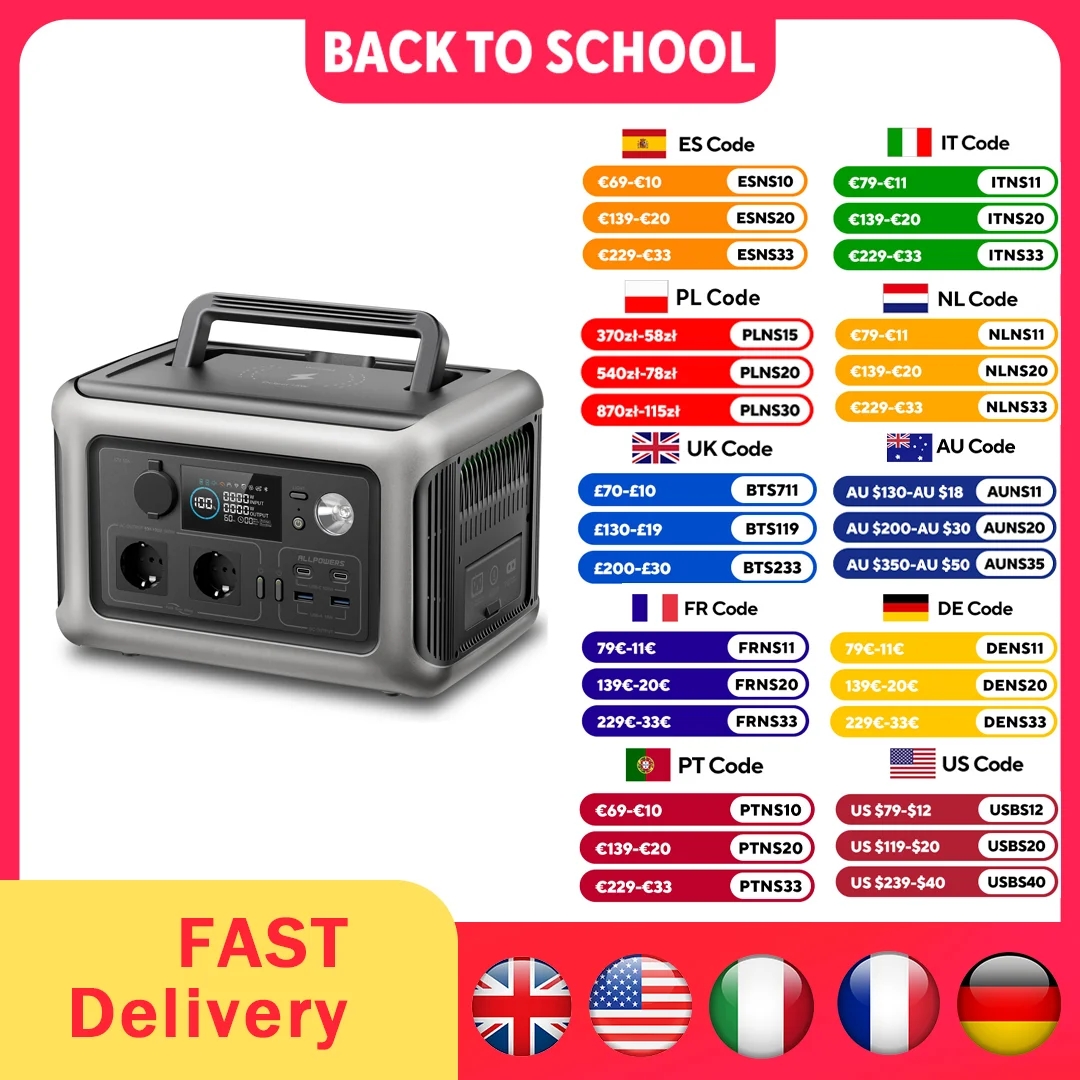
ALLPOWERS Portable Power Station R600, 299Wh LiFeP04 Battery with 2x 600W (1200W Surge) AC Outlets for Outdoor Camping RV Home
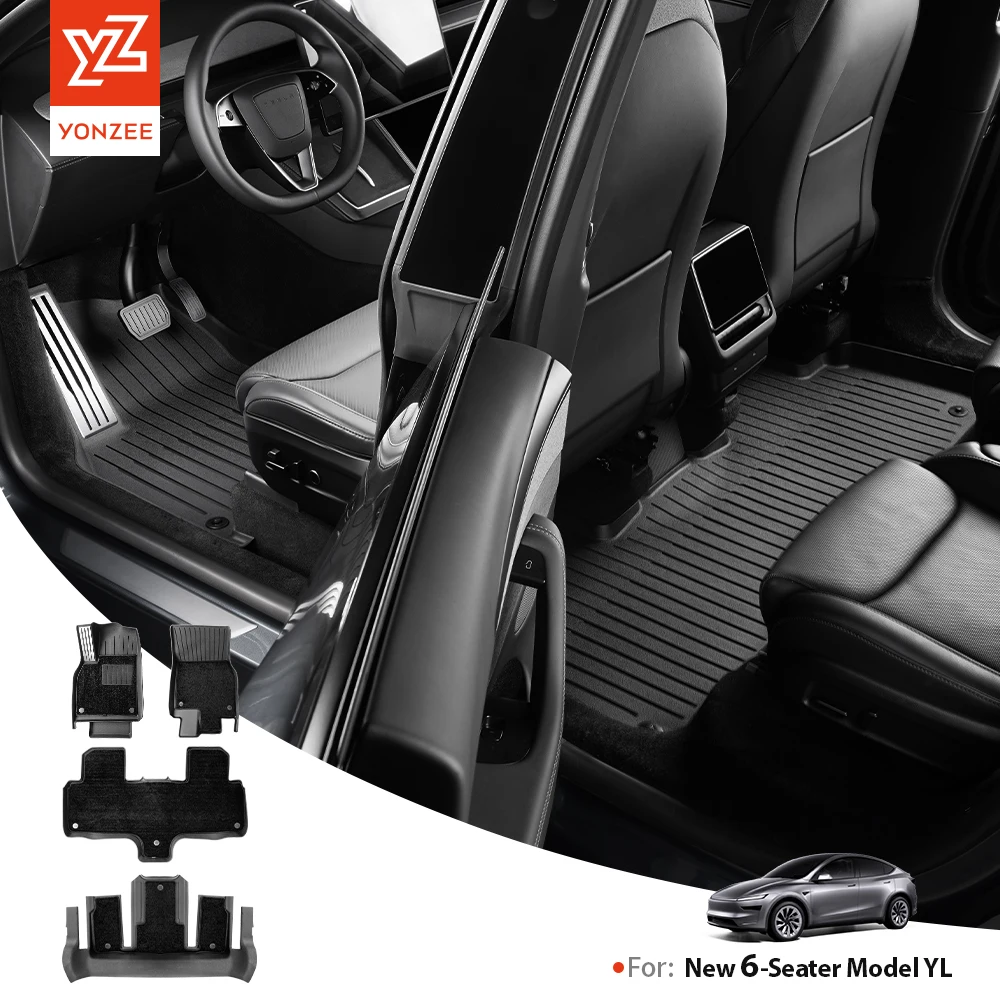
YZ For Tesla Floor Mat Model YL 2026 Car Trunk Mat Set Luggage Mat TPE waterproof Anti-Slip Set LHD&RHD Floor Liner Mat
 -1%
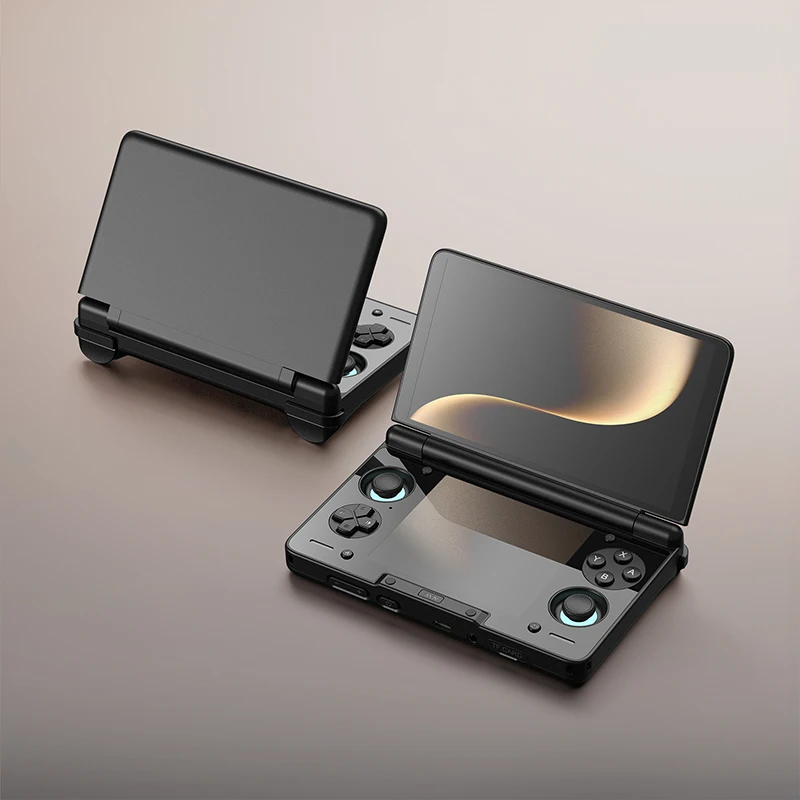
AYN Thor Android Handheld Dual Screen Clamshell 6'' AMOLED Screen 1080p Gaming Entertainment Device
 -35%
ELITEWHEELS Carbon Wheels ENT 2.0 Disc Brake 700c Carbon Rim Center Lock Road Bike Wheelset UCI Quality Road Racing Wheelset
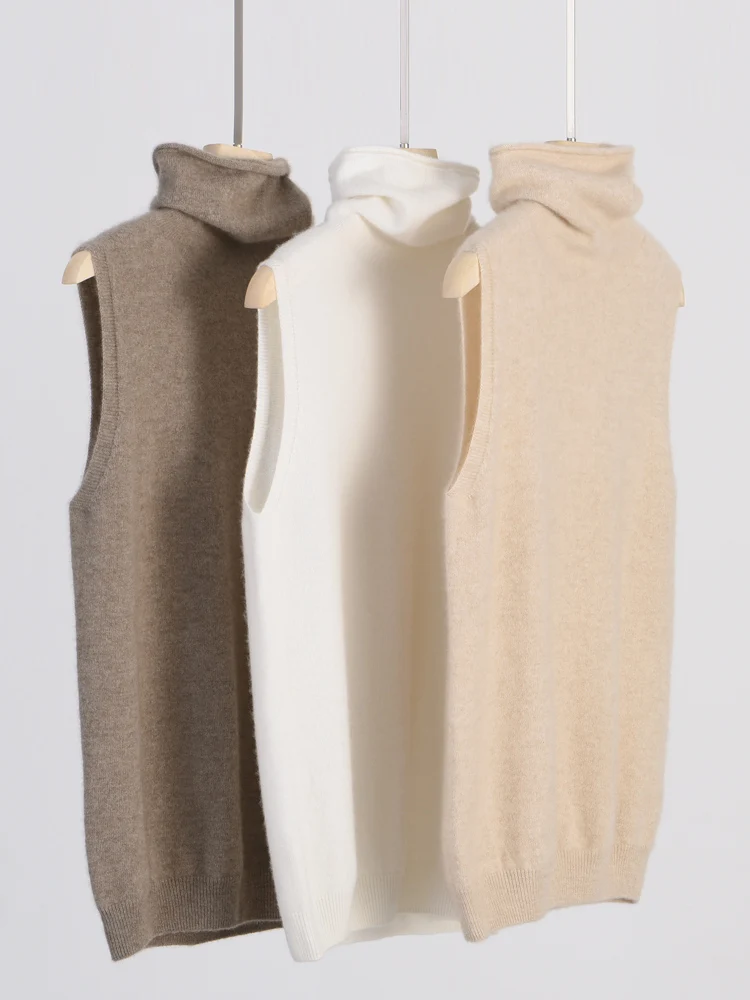
Women 100% Merino Wool Sleeveless Pullovers Turtleneck Sweater Waistcoat Wool Knitwear Spring Autumn Winter Fashion Vest Tops

GEYA G2R Automatic Transfer Switch Din Rail ATS Dual Power Electrical Selector Switches Uninterrupted Power 25A 40A 63A 110V 220
Prices shown are from AliExpress. Links may earn a commission.
Before you buy
Is this deal real? Check the price history before you buy.
Prices often spike just before a “sale.” See 180-day price history and fake discount detection — free, no account needed.
Verify on AliShopping Deals →Ready to find winning products?
Try AliShopping Tools — 15 free AI tools for product research.
Quick answers
Frequently Asked Questions
1Is AliExpress or Amazon better as a dropshipping supplier?
AliExpress is far more suitable as a dropshipping supplier.
It has no minimum order quantities, explicit dropshipping support with DSers integration, a huge product catalogue, and no restrictions on reselling.
Amazon's terms of service generally prohibit dropshipping where the customer receives Amazon-branded packaging — a policy violation that can get your seller account suspended.
2Can I dropship from Amazon to my Shopify store?
Dropshipping from Amazon (i.e., buying from Amazon and having them ship to your customer) violates Amazon's terms of service and is considered arbitrage.
Amazon explicitly bans it in their dropshipping policy.
Additionally, customers receiving Amazon packaging while paying higher prices on your store creates a poor experience and trust issue.
AliExpress has no such restrictions.
3How do AliExpress and Amazon compare on product cost for dropshipping?
AliExpress products are typically 50–70% cheaper than comparable Amazon listings for the same items, since you're buying direct from Chinese manufacturers at wholesale prices.
Amazon prices include Prime fulfilment costs and are aimed at retail consumers.
This cost difference is what makes AliExpress viable as a dropshipping source — the margin exists to cover marketing and operational costs.
4How does shipping time compare between AliExpress and Amazon for dropshipping?
Amazon FBM (Fulfilled by Merchant) sellers can ship in 2–5 days but at higher product cost and with policy restrictions.
AliExpress standard shipping takes 15–35 days from China, which is the biggest disadvantage for customer experience.
For faster AliExpress dropshipping, use suppliers with US or EU warehouse stock (5–10 days) or Premium Shipping / DHL (7–15 days) for comparable delivery windows to Amazon.
5What is the profit margin difference between AliExpress and Amazon dropshipping?
AliExpress dropshipping typically produces 15–40% net margins when product cost is $2–$15 and sell price is $15–$50.
Amazon arbitrage margins are far thinner (2–8%) due to higher source costs and Amazon seller fees.
For new store owners building with paid traffic, AliExpress margins support advertising costs while Amazon arbitrage margins do not.
Related Tools
More from the blog
AliExpress vs Amazon: Which Is Better for You? (2026)
AliExpress vs Amazon for Buyers (2026)
Honest comparison of AliExpress and Amazon for buyers — pricing, shipping, returns, quality, and buyer protection. See which wins for your use case.
Best Shopify Apps for AliExpress Dropshipping 2026
Top 5 Shopify apps for AliExpress dropshipping in 2026 — AliShopping Tools, DSers, AutoDS, Zendrop, CJdropshipping. Compare features, pricing, and.