


AliExpress vs Alibaba: Which Should You Use? (2026)
Quick answer: AliExpress is for individual buyers wanting single items with buyer protection. Alibaba is for businesses ordering wholesale quantities directly from factories. Most buyers should start with AliExpress — test the product, validate quality, then consider Alibaba for bulk orders once you know what you want.
Both platforms are owned by the Alibaba Group, both source predominantly from Chinese manufacturers, and both offer access to products at prices well below Western retail. Beyond that, they are different products serving different buyers. Knowing which to use — and when to switch — saves time, money, and risk.
Quick Comparison: AliExpress vs Alibaba
| Category | AliExpress | Alibaba | |---|---|---| | Minimum order quantity | 1 unit | Typically 50–500+ units (negotiable) | | Pricing | Fixed price per unit | Negotiated; drops sharply with volume | | Buyer protection | Built-in escrow + dispute system | Trade Assurance (not all suppliers) | | Payment | Credit card, PayPal, local methods | Wire transfer, Trade Assurance | | Shipping | Consumer parcel (days to weeks) | Sea freight, air freight, courier | | Customisation | None (buy as listed) | Custom branding, packaging, specs | | Best for | Individual buyers, small purchases | Businesses, importers, brands | | Delivery time | 5–40 days typical | 2–8 weeks (production + shipping) | | Returns | Dispute system, 15-day window | Negotiated per order |
What Is AliExpress?
AliExpress is a consumer marketplace. Sellers list individual products at fixed prices, buyers purchase single units, and AliExpress holds payment in escrow until delivery is confirmed. It is structurally similar to eBay or Amazon Marketplace — you browse, buy, and receive buyer protection.
The sellers on AliExpress are usually small-to-medium Chinese businesses, trading companies, or factory representatives selling surplus or standard catalogue items. They price for individual buyers, not for bulk. That means per-unit prices are higher than Alibaba, but you can buy one item with no commitment.
AliExpress is the right choice when: - You are buying for personal use - You need one item or a small quantity - You want buyer protection and a straightforward dispute process - You are testing a product before committing to volume - You need the item delivered within weeks, not months
What Is Alibaba?
Alibaba is a B2B wholesale marketplace. Suppliers on Alibaba are factories, manufacturers, and large trading companies. They quote prices per unit that are significantly lower than AliExpress — but only when you order hundreds or thousands of units. Most suppliers have minimum order quantities (MOQs) that range from 50 to 500 units or more, though many will negotiate lower MOQs for new buyers.
The process on Alibaba is more like procurement than shopping: you contact the supplier, negotiate price and specs, agree on payment terms, and manage shipping logistics yourself (often via a freight forwarder). Alibaba's Trade Assurance program provides some protection, but it is not as automatic or buyer-friendly as AliExpress's dispute system.
Alibaba is the right choice when: - You are a business buying inventory at scale - You want to customise the product (your logo, specific specs, private label) - Your order volume justifies the lower per-unit cost - You have the logistics capacity to manage freight and customs - You are willing to invest time in supplier vetting and negotiation
Compare prices with real data.
180-day price history on every AliExpress product — see if AliExpress or Temu is actually cheaper. No account, free.
When AliExpress Wins
For individual buyers, AliExpress is almost always the better starting point. The reasons:
No minimums. You can buy one USB cable, one phone case, one kitchen gadget. Alibaba requires you to commit to volume before you have touched the product.
Buyer protection works. AliExpress's escrow and dispute system is well-established. If the item does not arrive or arrives significantly different from the listing, you have a clear, platform-enforced path to a refund. Alibaba's Trade Assurance exists but is more limited and requires more documentation to invoke.
Faster checkout. AliExpress checkout is similar to any Western e-commerce platform — add to cart, enter address, pay, done. Alibaba requires supplier communication, quotes, and often wire transfers before anything ships.
Price verification tools. AliShopping Tools overlays Price History, Seller Trust Score, and AI Verdict directly on AliExpress product pages — so you can verify whether a listed price or seller is trustworthy before purchasing. These tools do not apply to Alibaba.
When Alibaba Wins
For businesses buying at volume, Alibaba's unit economics are compelling. Once you have validated a product on AliExpress and know buyers want it, moving the same product to Alibaba can cut your per-unit cost by 30–70% depending on volume.
Customisation is only possible on Alibaba. If you want your logo on the product, custom packaging, modified specifications, or a private label, Alibaba suppliers can accommodate this. AliExpress sells catalogue items as-is.
Longer-term supplier relationships. Alibaba lets you communicate directly with factory contacts, build relationships, and negotiate better terms over time. AliExpress sellers tend to be intermediaries without the same depth of manufacturer access.
The Smart Buyer Strategy: AliExpress First, Alibaba Second
The most practical approach for anyone sourcing products from China:
-
Test on AliExpress. Order 1–3 units. Assess quality, check whether it matches the listing, verify delivery reliability. This costs you the per-unit price plus shipping — a small validation investment.
-
Validate demand. If you are buying for resale or a business, verify that buyers actually want the product before committing to bulk. A few AliExpress orders are much cheaper than 500 unsellable units in a warehouse.
-
Source from Alibaba at scale. Once product quality and market demand are confirmed, find the manufacturer (not just a trading company) on Alibaba, negotiate MOQ and unit price, and arrange proper freight for your volume.
This "test retail, buy wholesale" flow is how experienced importers reduce risk. AliExpress functions as the sample-and-validate layer; Alibaba is the scale layer.
Common Misconceptions
"Alibaba is always cheaper." Per unit at volume, yes. For a single item, AliExpress is usually cheaper once you factor in Alibaba's minimum order quantities and freight costs.
"The same product is available on both." Often true, but the Alibaba version may have different specifications, require customisation lead time, and have a higher quality floor because factory buyers demand consistency. The AliExpress version is more variable.
"Alibaba is safer because it is a bigger company." Both are owned by the same parent. AliExpress has stronger built-in buyer protection for individual transactions. Alibaba Trade Assurance is less automatic and requires more due diligence from the buyer.
"You can negotiate price on AliExpress." Occasionally, but AliExpress is a fixed-price marketplace by design. Alibaba is built for negotiation.
Using AliShopping Tools for AliExpress Decisions
When buying on AliExpress, the biggest risk is not the platform — it is picking a seller or product without enough information. AliShopping Tools overlays verified data on every product page:
- Seller Trust Score — aggregated reliability rating for the seller
- Price History — shows whether the current price is genuinely low or artificially inflated
- AI Verdict — flags reviews and listings with suspected manipulation
- Winning Score — overall product quality and demand signal
Install AliShopping Tools on the Chrome Web Store before placing your next AliExpress order.
For related guides: - How to buy on AliExpress for the first time - How to check if an AliExpress seller is trustworthy - AliExpress shipping options compared
AliShopping Tools
Compare prices with real data.
180-day price history on every AliExpress product — see if AliExpress or Temu is actually cheaper. No account, free.
Product Tracker Free Beta
Track any AliExpress product’s real price, orders, stock & rating for 180 days. Data doesn’t lie. But discounts can.
Trending Products on AliExpress
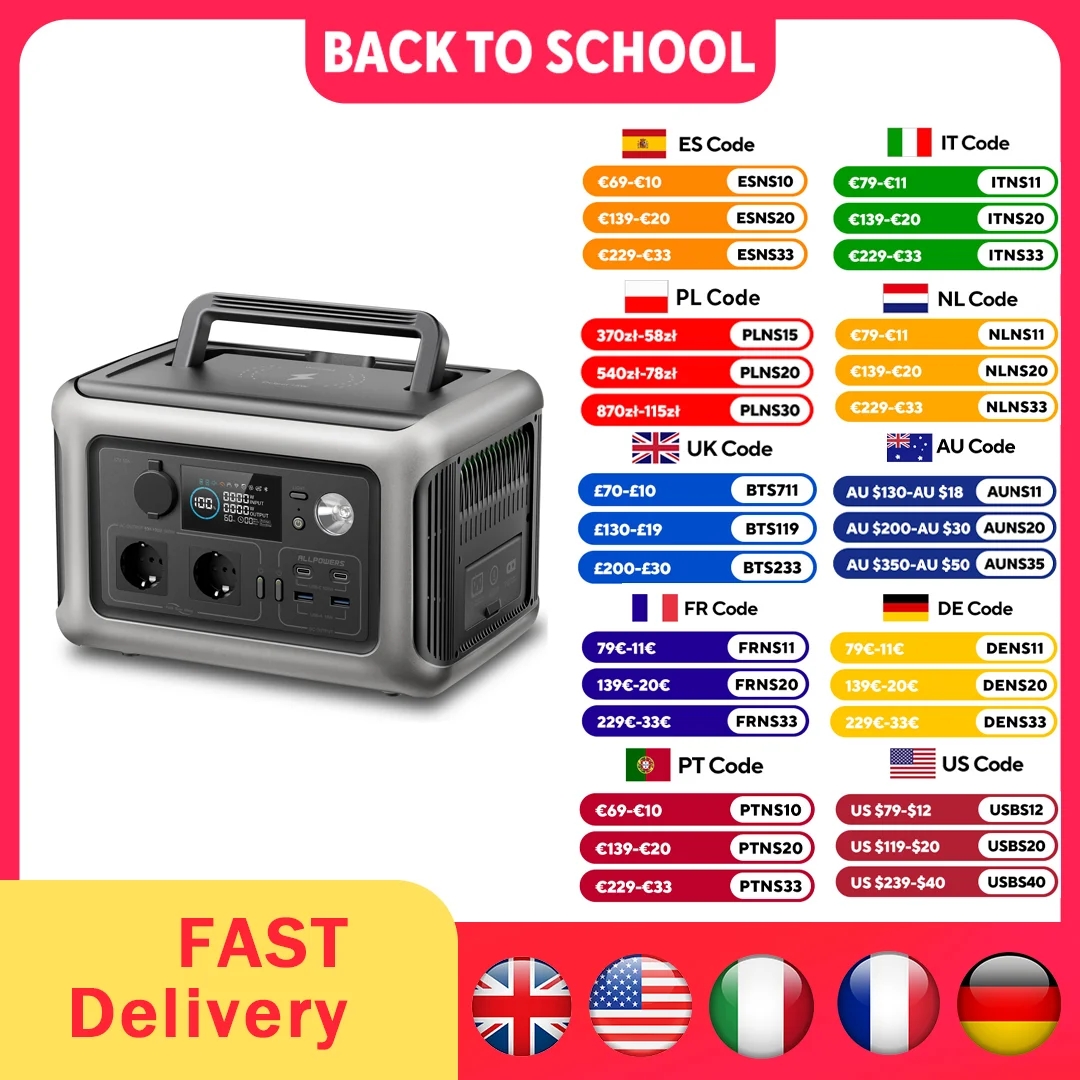
ALLPOWERS Portable Power Station R600, 299Wh LiFeP04 Battery with 2x 600W (1200W Surge) AC Outlets for Outdoor Camping RV Home
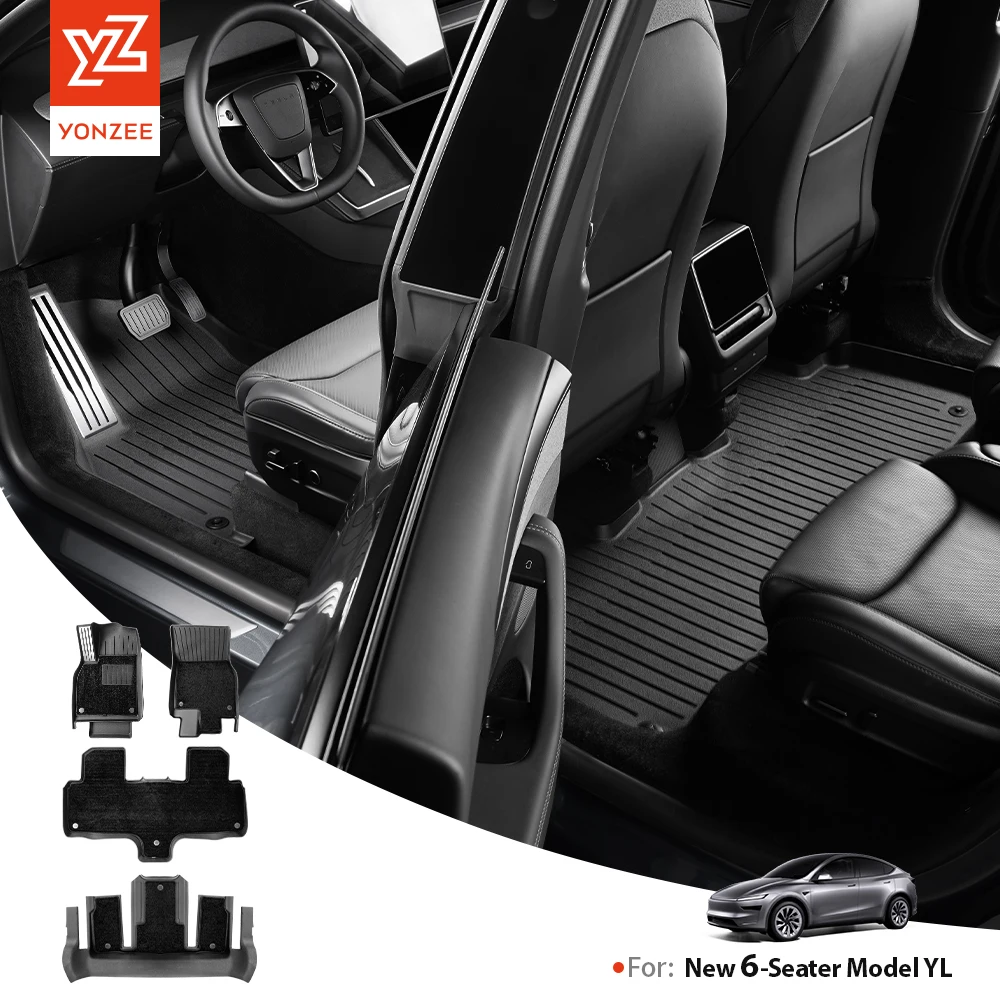
YZ For Tesla Floor Mat Model YL 2026 Car Trunk Mat Set Luggage Mat TPE waterproof Anti-Slip Set LHD&RHD Floor Liner Mat
 -1%
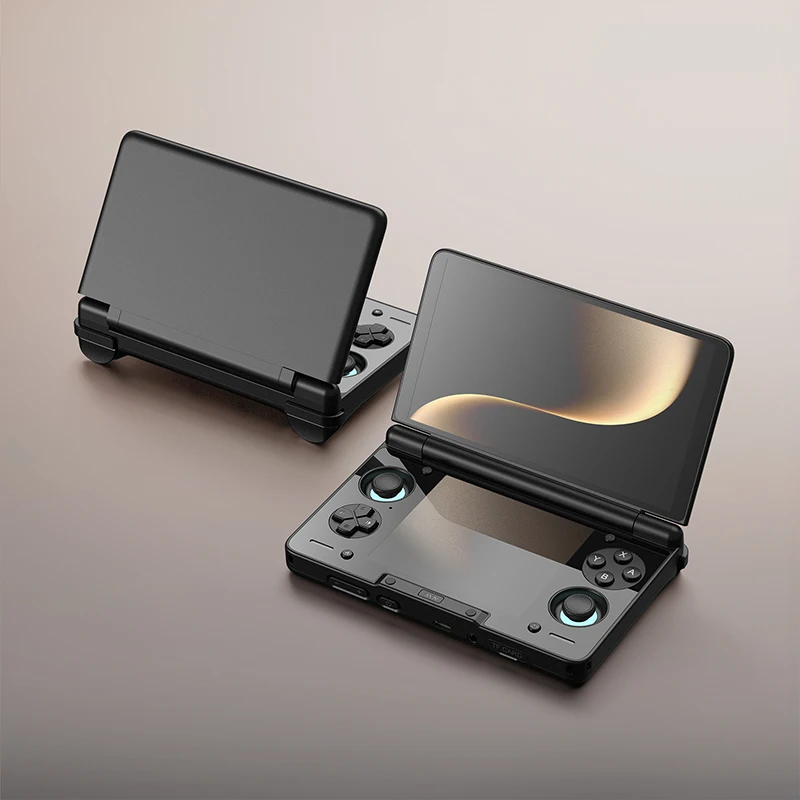
AYN Thor Android Handheld Dual Screen Clamshell 6'' AMOLED Screen 1080p Gaming Entertainment Device
 -35%
ELITEWHEELS Carbon Wheels ENT 2.0 Disc Brake 700c Carbon Rim Center Lock Road Bike Wheelset UCI Quality Road Racing Wheelset
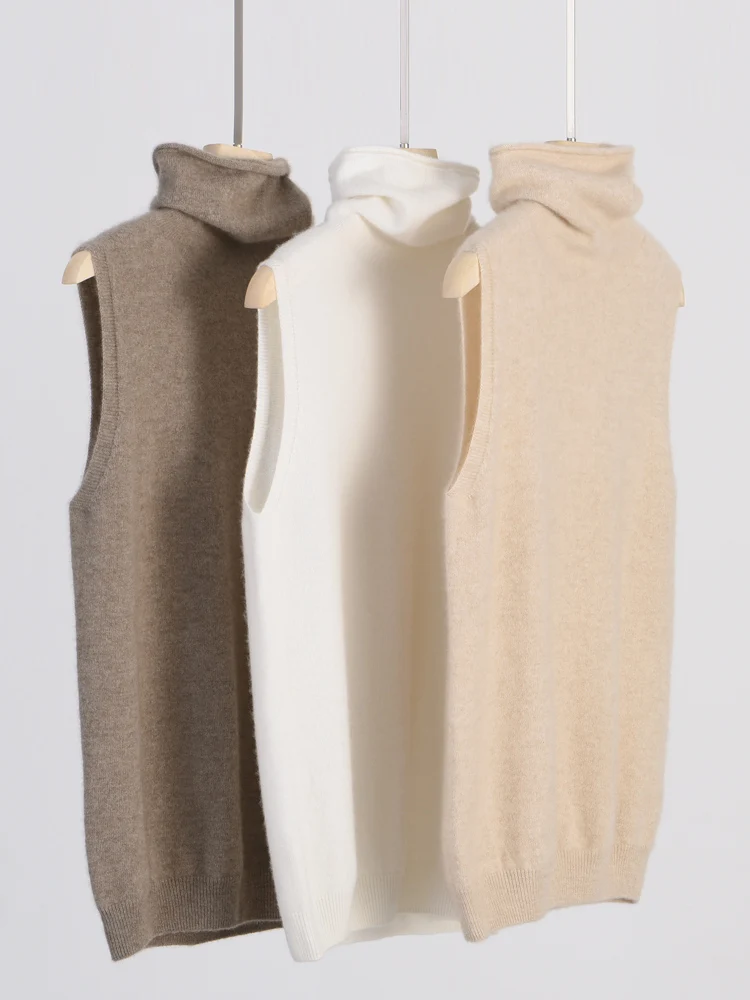
Women 100% Merino Wool Sleeveless Pullovers Turtleneck Sweater Waistcoat Wool Knitwear Spring Autumn Winter Fashion Vest Tops

GEYA G2R Automatic Transfer Switch Din Rail ATS Dual Power Electrical Selector Switches Uninterrupted Power 25A 40A 63A 110V 220
Prices shown are from AliExpress. Links may earn a commission.
Before you buy
Is this deal real? Check the price history before you buy.
Prices often spike just before a “sale.” See 180-day price history and fake discount detection — free, no account needed.
Verify on AliShopping Deals →Ready to find winning products?
Try AliShopping Tools — 15 free AI tools for product research.
Quick answers
Frequently Asked Questions
1What is the main difference between AliExpress and Alibaba?
AliExpress is a consumer marketplace for buying individual items at fixed prices with built-in buyer protection.
Alibaba is a B2B wholesale platform where businesses negotiate directly with manufacturers for bulk orders, usually with minimum order quantities of 50 to 500+ units.
Most individual buyers should use AliExpress.
Businesses sourcing inventory at scale use Alibaba.
2Is AliExpress cheaper than Alibaba?
For small quantities, AliExpress is usually cheaper because you pay only for what you need without minimum order commitments or freight logistics.
Alibaba is cheaper per unit only when you order in bulk — the unit price drops significantly with volume, but you must meet minimum order quantities and arrange your own shipping, which adds cost and complexity.
3Can individual buyers use Alibaba?
Technically yes, but Alibaba is designed for businesses.
Most suppliers require minimum order quantities of 50 to 500+ units, expect negotiation, and may request wire transfers or Trade Assurance payments.
For individual purchases, AliExpress is simpler, safer, and has better built-in buyer protection.
Only consider Alibaba once you have validated a product and need volume.
4Which platform has better buyer protection — AliExpress or Alibaba?
AliExpress has stronger built-in buyer protection for individual transactions.
It uses an escrow model — your payment is held until you confirm receipt — and has a clear dispute system for items not received or not as described.
Alibaba offers Trade Assurance, but it requires more documentation and is less automatic.
For individual buyers, AliExpress's dispute process is significantly easier to use.
5Can I get custom-branded products from AliExpress?
No.
AliExpress sells catalogue items as listed, with no customisation of branding, packaging, or specifications.
Custom branding, private label, and product specification changes are only available through Alibaba suppliers, where you negotiate directly with the factory and typically commit to a minimum order quantity.
Related Tools
More from the blog
AliExpress vs Alibaba: What's the Difference for Buyers?
AliExpress is for individual buyers with no minimum order. Alibaba is for wholesale buyers needing 50-500+ units. Same parent company, very different use cases.
How to Compare Two AliExpress Sellers Side-by-Side (2026)
Learn how to compare two AliExpress sellers side-by-side using trust scores, price history charts, review analysis, and shipping data.
AliExpress Winning Score Explained (2026 Guide)
What is the Winning Score on AliExpress? How the 0–100 score works, what the six factors mean, and how to use it to find better products and avoid bad listings.